Case Study: HPDD Cement Framework, Turning Liabilities into Cash Flows. Process Integration Concept by Mohamed Amin
The cement industry generates 8% of global CO2 emissions. Traditional carbon capture is an expensive waste liability. The HPDD changes this by operating as an onsite refinery core that converts carbon liabilities into premium global commodities.
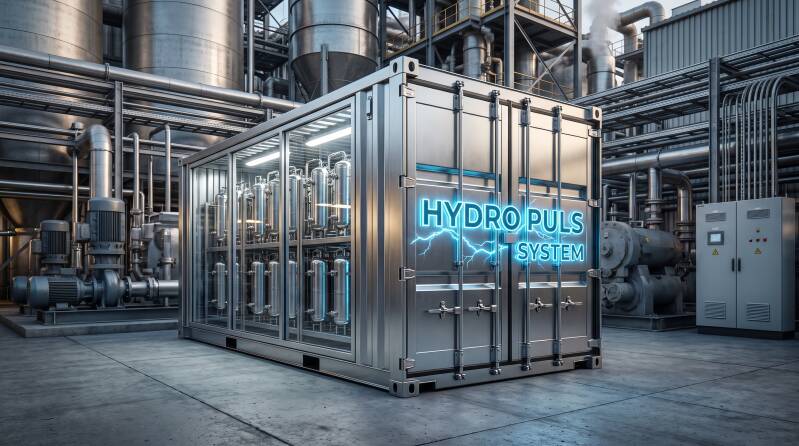
Process Architecture: A Closed-Loop Ecosystem The containerized HPDD array integrates into existing cement plants with zero infrastructure disruption, leveraging a flawless thermodynamic and chemical synergy:
Green Ammonia Fuel Integration: The HPDD runs on green ammonia (NH3). Internal thermal recuperation cracks it into clean hydrogen (H2) and nitrogen (N2). The hydrogen provides emission-free mechanical shaft power to drive heavy crushing mills.
Supersonic Shockwave Calcination: Core engine physics compress the pure nitrogen (N2) stream to 600 bar. This high-velocity gas drives the supersonic shockwave deagglomeration of hot lime (CaO), bypassing traditional grinding energy costs.
1.5-Second Flash Calcination: Developed with senior R&D consultants, the hermetically sealed loop executes a rapid 1.5-second flash calcination of limestone, capturing liberated CO2 at 100% molecular purity.
Exothermic Fertilizer Synthesis: The 600 bar nitrogen, process water, and reactive CaO meet in a fluidic neutralization reactor. This exothermically self-sustaining reaction binds the elements into high-purity Calcium Nitrate and Ammonium Nitrate mineral fertilizers right at the source.
The Numbers: 30 MW Array Integration The baseline use case centers on a standardized deployment of three containerized HPDD units: Total Power: A 30 MW array of continuous clean power (3 containers housing 33 modular ∼300 kW HPDD cores each).
Mass Flow: A continuous supply of 3,000 liters of process water per hour per container (9,000 L/h total capacity). Output Yield: Operating under strict Six Sigma controls (Cpk≥1.33), the array allows a medium-scale plant to safely synthesize up to 120,000 tons of premium Calcium Nitrate annually.
Core Commercial Advantages The PR Shield: The HPDD temporarily borrows energy from incoming ammonia to power processing, but preserves and upgrades the nitrogen component, returning a stable mineral fertilizer directly to the agricultural sector. Zero Supply Chain Friction: Bypasses all logistics risks of storing or transporting volatile gaseous hydrogen.
The input is stable liquid ammonia; the output is dry, non-hazardous bulk fertilizer shipped safely via standard logistics networks.
Financial Synergy: By offsetting fossil fuel loops and generating premium agricultural commodities, a facility erases millions in ETS carbon penalties while adding a highly lucrative revenue line to its balance sheet. HPDD Inside delivers the core that makes heavy industry clean and immensely profitable.