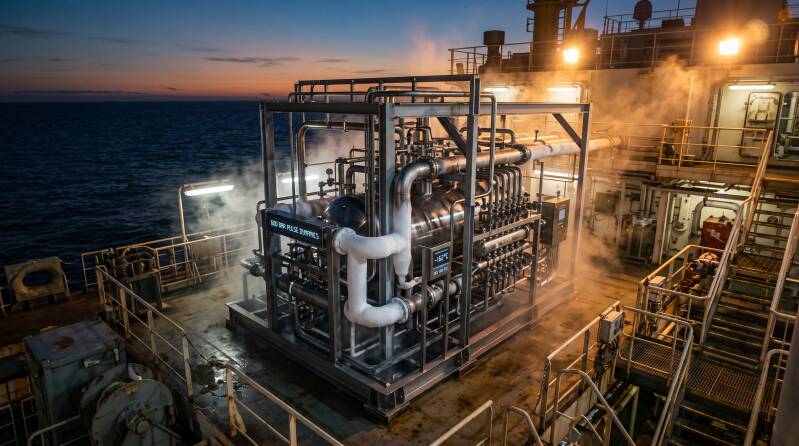
Direct-Drive LNG Liquefaction: Eliminating the Compression Bottleneck with HPDD
Slashing Parasitic Energy Loads, Eradicating Heavy Rotating Turbomachinery, and Unlocking High-Efficiency Small-Scale & FLNG Operations
The Conventional Bottleneck: Extreme Parasitic Refrigeration Loads
Converting natural gas into Liquefied Natural Gas (LNG) at -162°C is one of the most energy-intensive thermodynamic processes in modern industry. In standard small-scale LNG installations and Floating LNG (FLNG) facilities, where safe inert nitrogen expansion cycles (Reverse Brayton) are required over hazardous hydrocarbon refrigerants, the energy penalty is severe:
- Massive Fuel Consumption: Conventional plants consume between 12% and 16% of their incoming feed gas purely to run heavy compressors and gas turbines for refrigeration.
- Compounding Conversion Losses: Kinetic energy must pass through long, inefficient conversion stages—from combustion to rotating shafts, high-maintenance gearboxes, electric motor drives, and multi-stage dynamic compressors.
- Excessive Deck Space & CAPEX: Heavy rotating compressor trains require elaborate vibration mitigation, continuous maintenance, and large footprint footprints, making marginal, stranded, and offshore gas fields economically unviable.
The HPDD Paradigm: Native Compression & Direct Expansion Cooling
The Hydro Puls Direct Drive (HPDD) platform redefines cryogenic cooling by delivering high-pressure compression as an intrinsic feature of its controlled pulse-combustion cycle, rather than as an auxiliary mechanical afterthought. By generating a direct, native high-pressure regime up to 600 bar, HPDD bridges fuel combustion and cryogenic expansion in a single integrated step.
Core Engineering Mechanisms
1. Direct Hydro-Pneumatic Pulse Compression
Instead of driving massive multi-stage centrifugal or axial compressors via external shafts, HPDD harnesses the kinetic expansion of an isolated combustion pulse to directly compress nitrogen or working gases. Mechanical shaft losses, intermediate electrical conversion steps, and parasitic drag are eliminated at the source.
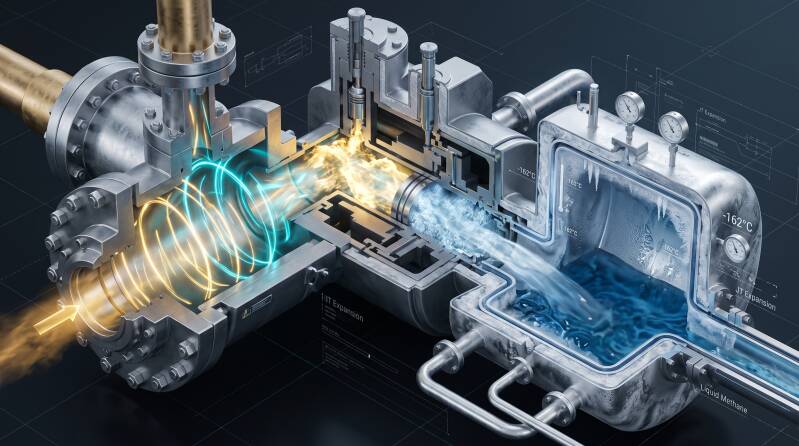
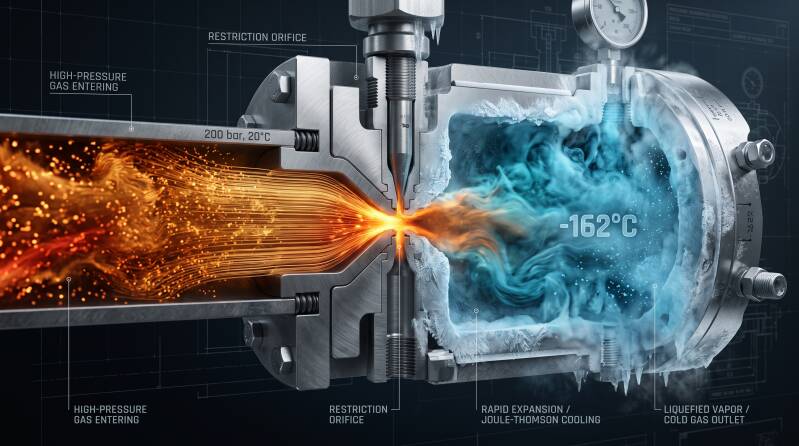
2. Integrated Isentropic & Joule-Thomson Cryogenic Drop
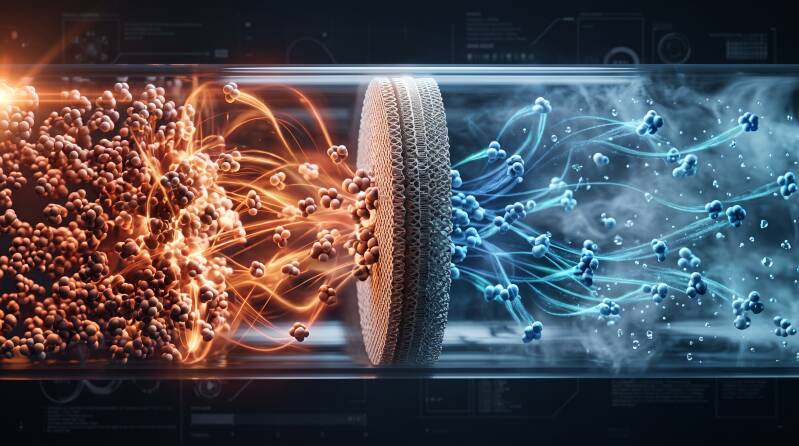
By coupling native pulse-pressurized gas streams directly into controlled expansion stages, high-efficiency isentropic temperature drops are achieved without energy-wasting throttle valves. The cold duty required to reach -162°C is generated cleanly and continuously from the direct work output of the core engine.
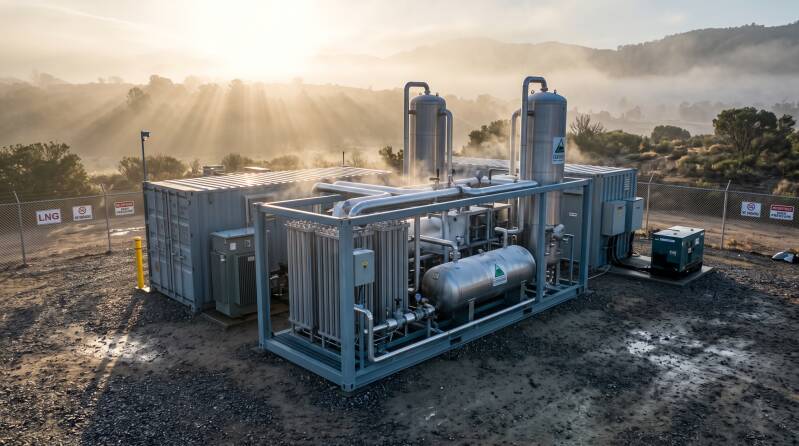
3. Safe, Compact Modular Architecture for FLNG & Stranded Gas
Eliminating multi-megawatt rotating compressor skids reduces the physical plant footprint by more than 50%. The platform operates seamlessly with non-flammable nitrogen cycles, delivering an inherently safer profile for offshore platforms, floating vessels, and remote flare-gas recovery units.
Thermodynamic & Commercial Impact Comparison
| Operational Parameter | Conventional N2-Expansion Cycle | HPDD-Integrated Direct-Drive Cycle |
|---|---|---|
| Parasitic Fuel Gas Consumption | 12% – 16% of feed gas combusted on-site | 7% – 9% (35% to 45% reduction in cooling energy) |
| Compressor Drivetrain Complexity | Multi-stage rotating compressors, motors & gearboxes | Direct-drive pulse dynamics; no mechanical rotating driveline |
| Saleable LNG Output (Product Yield) | Baseline reference | +5% to +7% additional LNG recovered for export |
| Annual OPEX Savings (100k tpa Plant) | Standard operating baseline | ~$3,000,000 / year in preserved feedstock value |
| CO2 Emissions from Compression Power | High continuous emissions from turbine drives | 16,000 – 18,000 t/year CO2 reduction per 100k tpa capacity |
Redefining Small-Scale LNG Economics
By converting thermal energy directly into high-pressure cryogenic cooling without intermediary rotating machinery, HPDD transforms small-scale LNG from a high-capex compromise into an agile, highly profitable solution for stranded wells, bunkering hubs, and offshore production units.
Explore Modular LNG Systems with HPDD
Contact our cryogenic process engineers to run a detailed thermodynamic model based on your facility's feed-gas composition and production targets.
Request a Thermodynamic Simulation