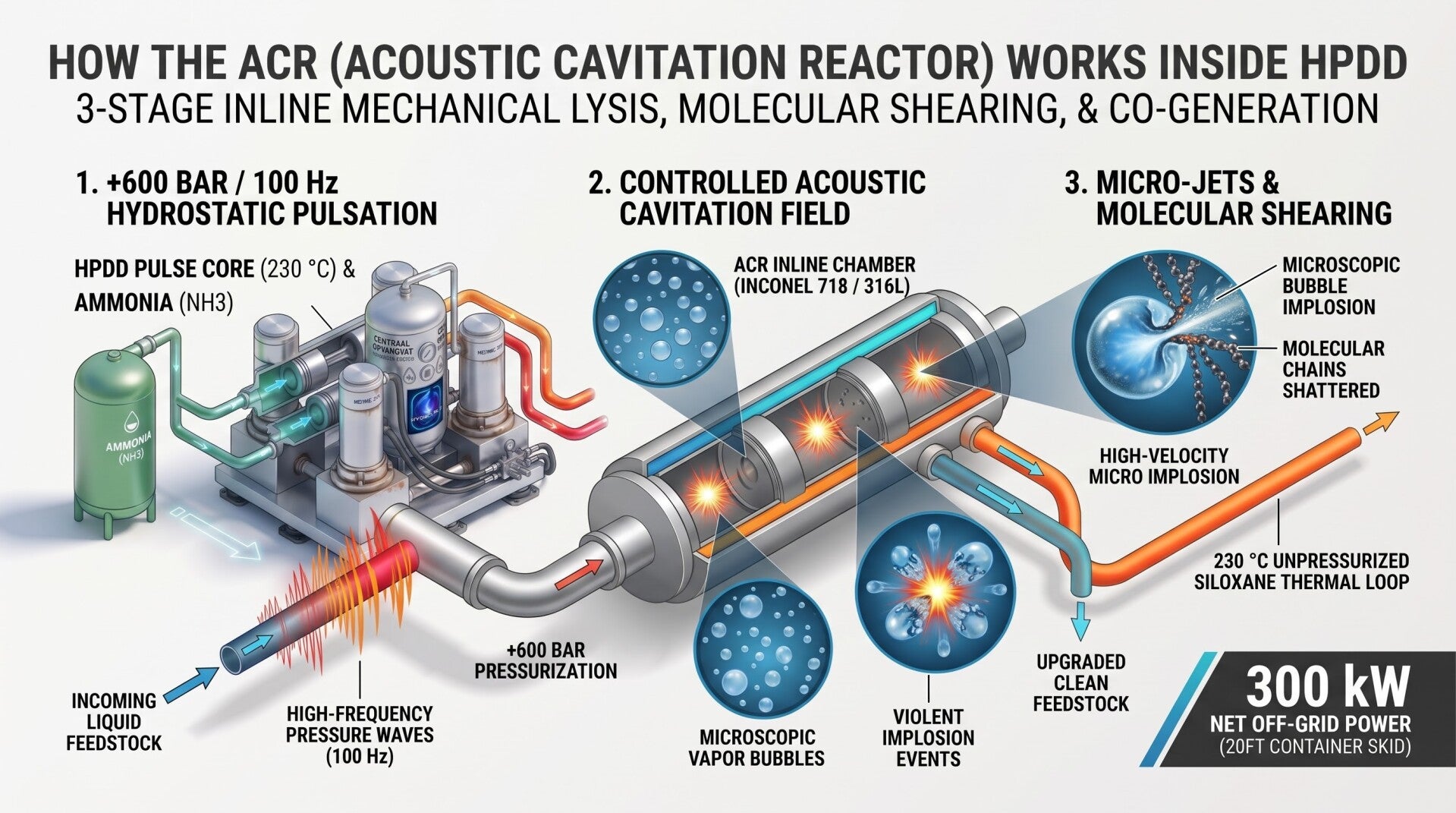
What is the exact role of the ACR (Acoustic Cavitation Reactor) inside our HPDD architecture, and how does it actually work? ⚙️🌊
Conventional industrial processing still relies heavily on harsh chemicals, solvents, and energy-intensive thermal cracking to break down emulsions, lyse biomass, or upgrade feedstocks. Inside Hydro Puls Direct-Drive (HPDD), we replace chemical intensity with pure, controlled fluid physics.
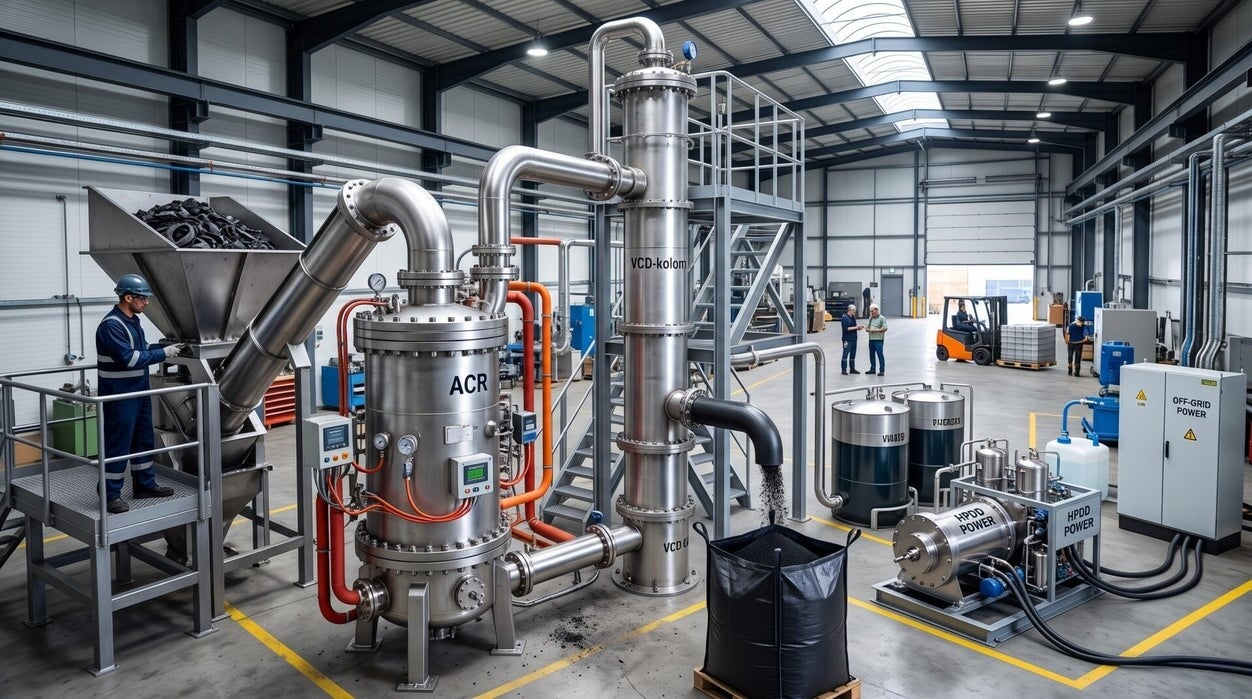
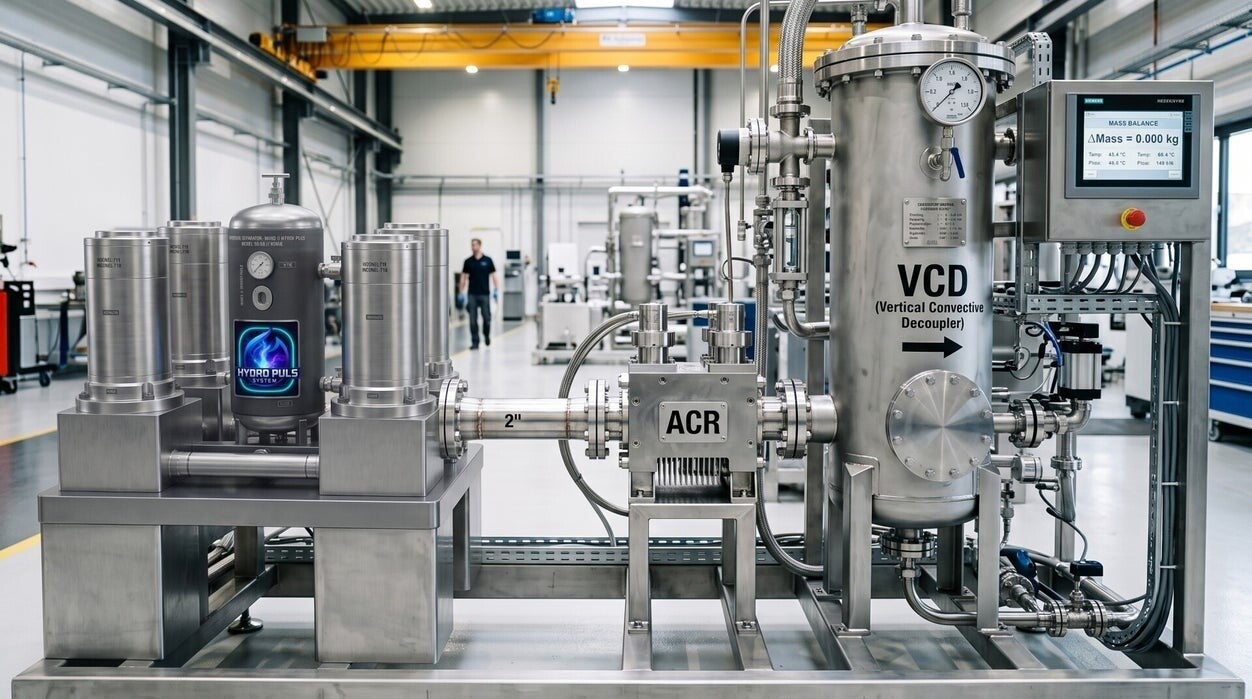
The inline ACR acts as the physical process-intensification core of every modular skid:
🔹 What is the function of the ACR?
The ACR physically shears heavy molecular fractions, stubborn emulsions, microbial/algae cell walls, and recalcitrant contaminants, without chemical additives, acids, or external grid power. By intensifying mass and energy transfer at the micro-scale, it slashes downstream energy demand and processing time.
🔹 How does it work in 3 stages?
1️⃣ High-Frequency Hydrostatic Pulsation (+600 bar / 100 Hz): Opposed rodless free pistons in the HPDD core inject a continuous, tuned +600 bar hydrostatic pulse at 100 Hz directly into the process stream.
2️⃣ Controlled Acoustic Cavitation Fields: Inside the multi-stage reactor (precision-machined from high-wear Inconel 718 / 316L), these intense pressure waves trigger the rapid nucleation and violent collapse of millions of microscopic vapor cavities.
3️⃣ Localized Micro-Jets & Extreme Shear Forces: Each micro-bubble implosion generates high-velocity micro-jets and intense localized shear that shatter cell walls, micronize coal slurries, or crack heavy chains on contact, while bulk temperatures remain precisely stabilized via our unpressurized 230 °C siloxane thermal loop.
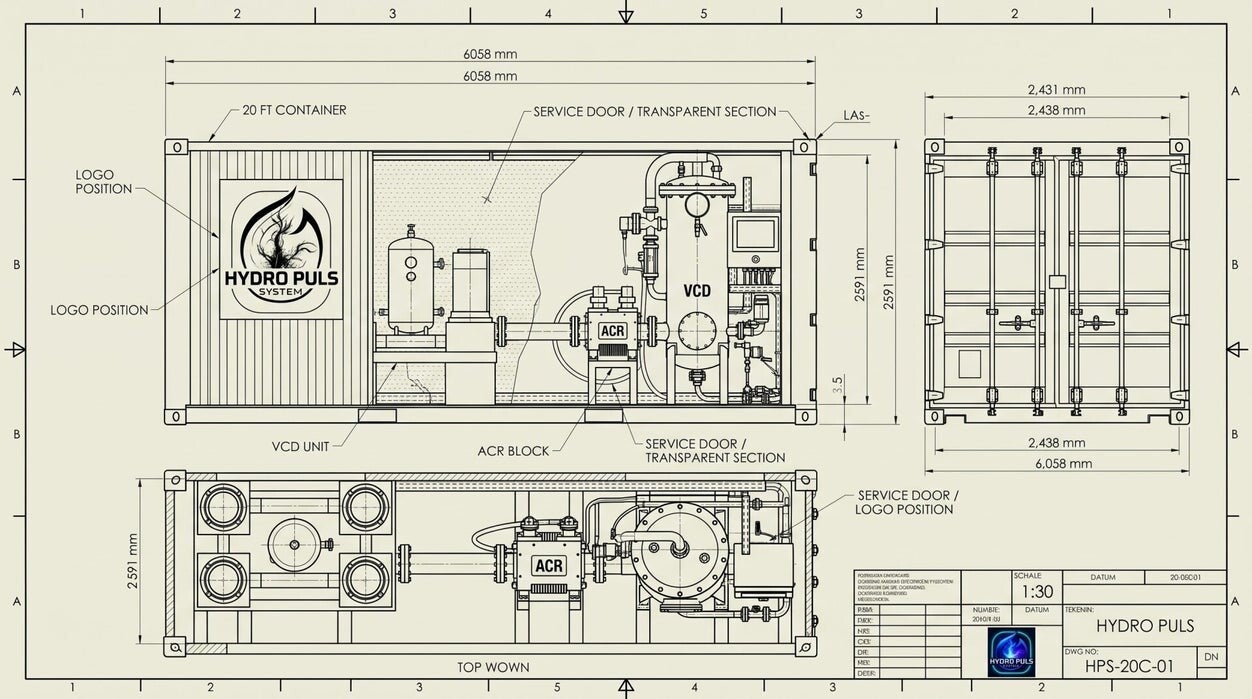
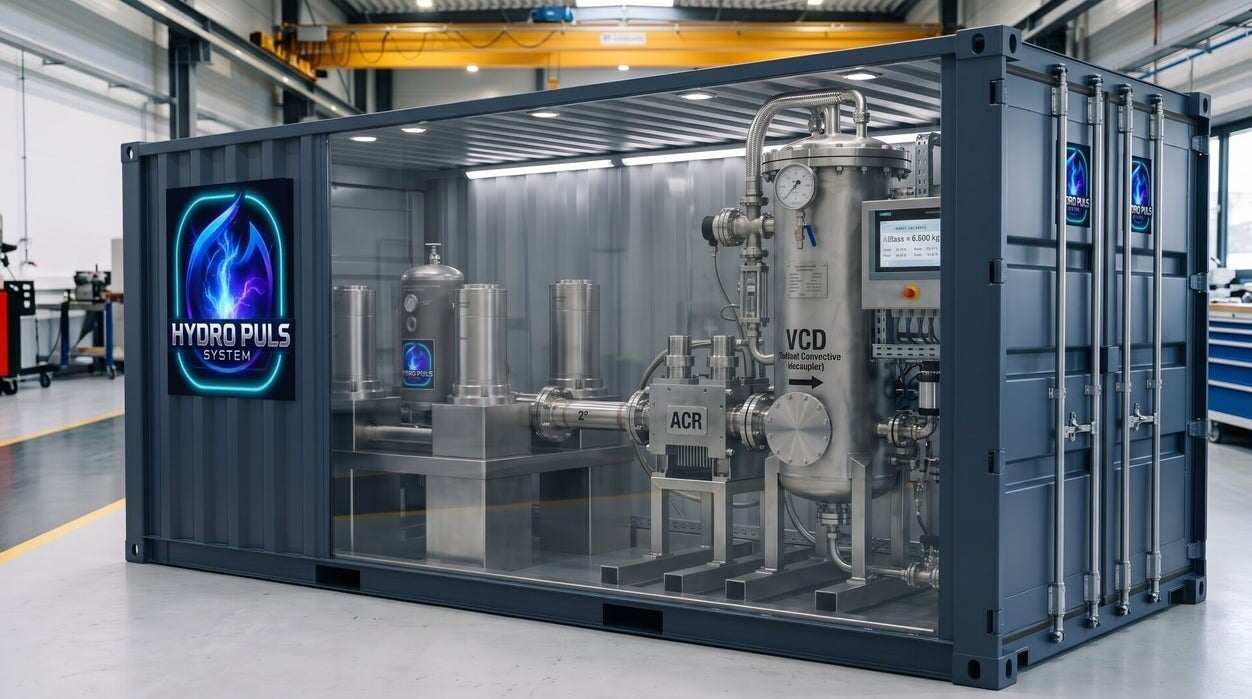
The result: a self-sufficient 20ft containerized unit that upgrades challenging feedstocks inline while simultaneously exporting 300 kW of net off-grid electricity.
Which industrial feedstock or separation bottleneck would you put through an inline +600 bar cavitation field first?
#HPDD #AcousticCavitation #ProcessIntensification #CleanTech #ChemicalEngineering #Biorefinery #WaterTreatment #Innovation