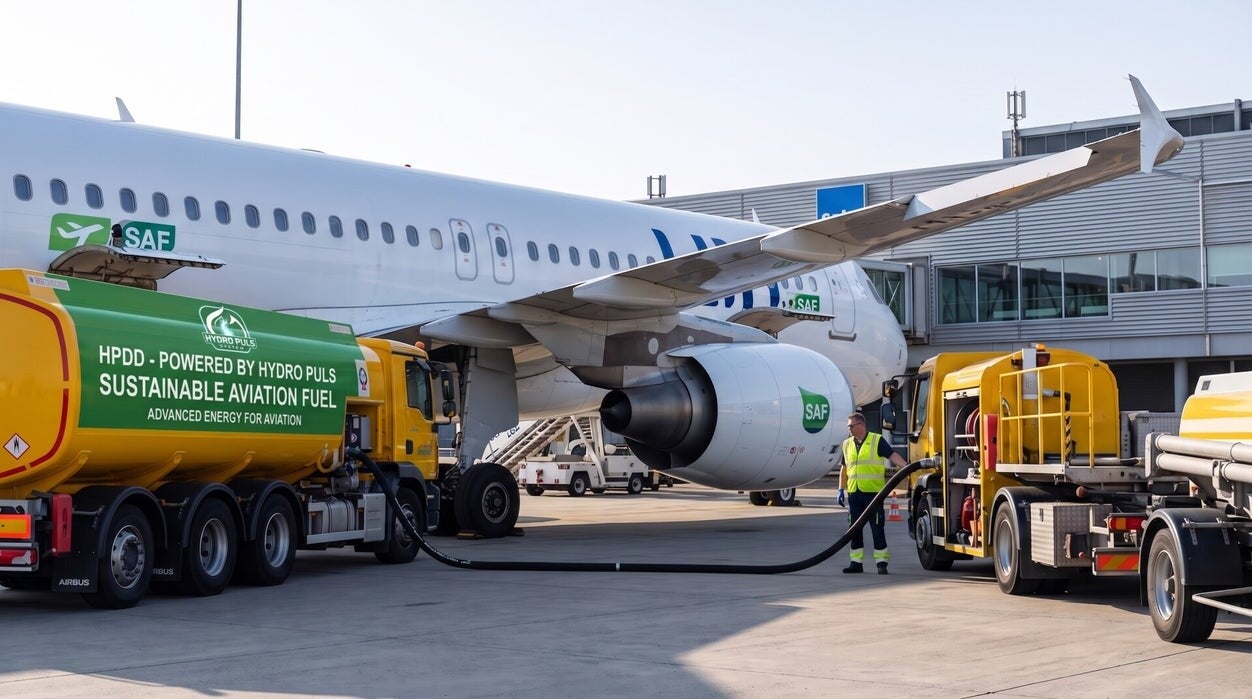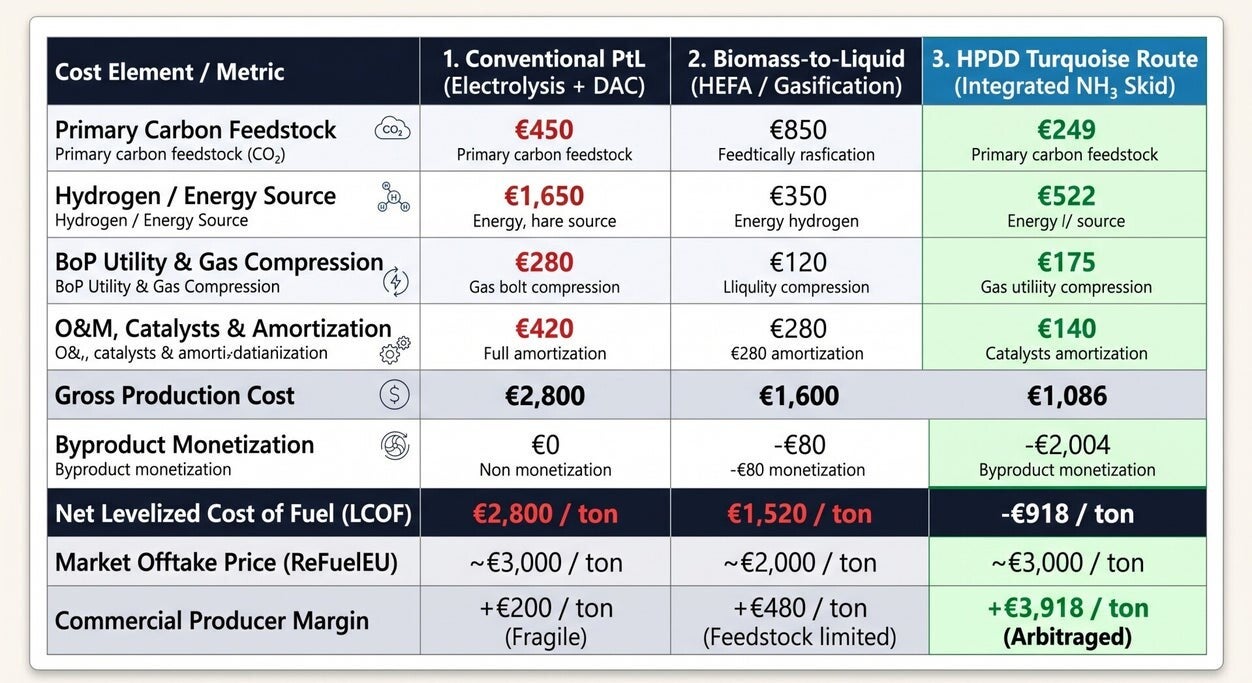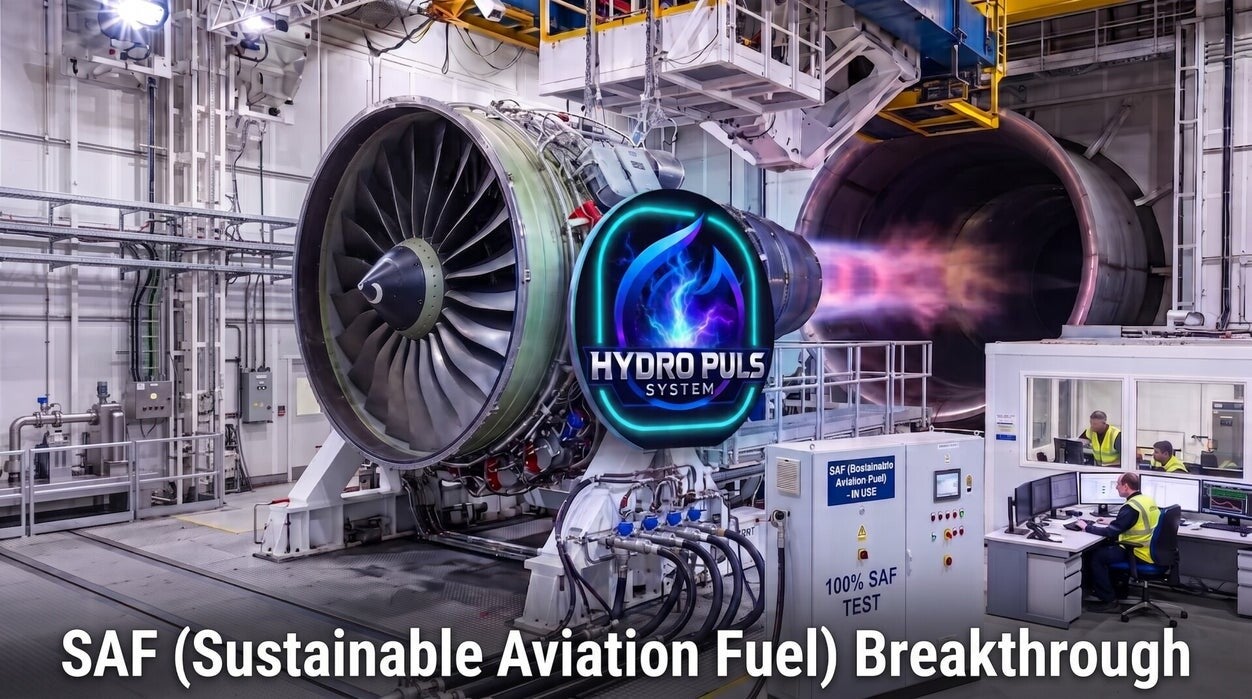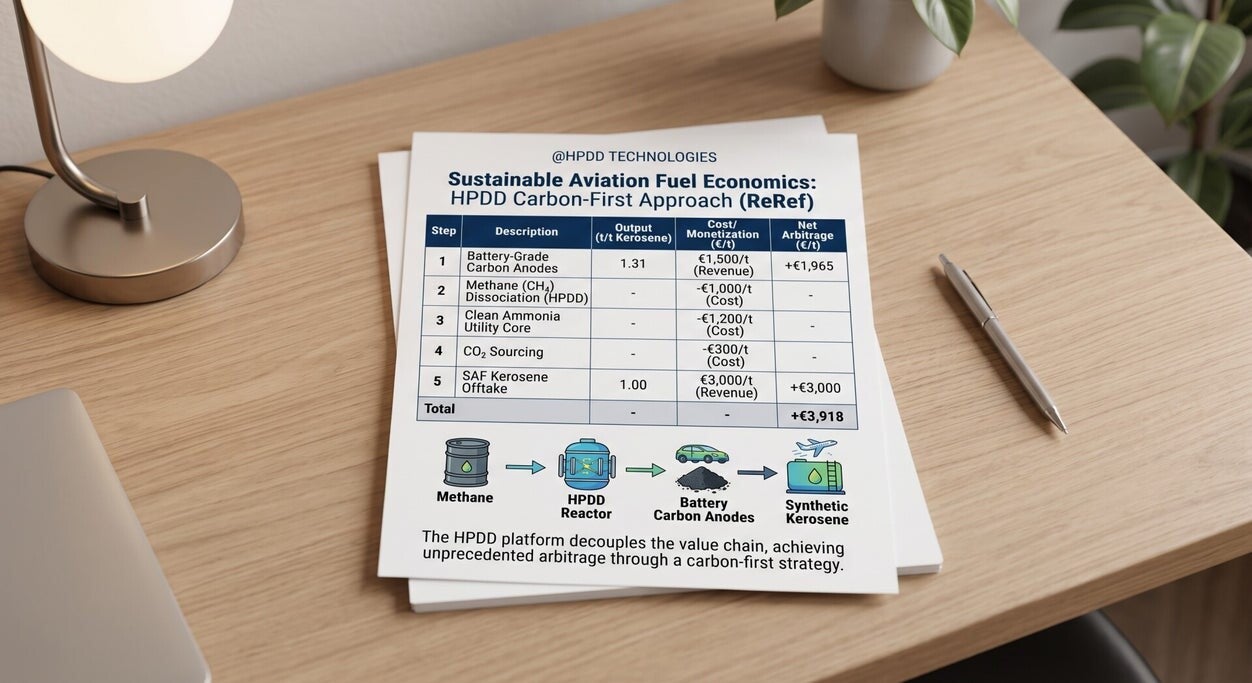
Why is Sustainable Aviation Fuel (SAF) still struggling to beat fossil Jet A-1 on cost?
The bottleneck isn't the feedstock chemistry, it is the brutal balance-of-plant (BOP) cost and thermodynamic losses of conventional high-pressure hydroprocessing.
Traditional SAF synthesis relies on legacy multi-stage crank pumps and compressor loops:
• Crankshaft side-thrust causes uneven liner wear and chronic seal failure.
• Lubricant and packing migration risks poisoning downstream catalyst beds.
• Massive hydrogen recycle loops and static spargers are needed just to overcome gas-liquid diffusion barriers.
• Parasitic driveline friction drains 10% to 18% of plant power before fluid work even happens.
The Hydro Puls Direct-Drive (HPDD) architecture replaces these sprawling, multi-story installations with a single direct-drive process intensification core:
1. Self-Canceling 4-Piston Dynamics:
Two opposed piston pairs operate along a single centerline. Dynamic acceleration forces cancel out completely, eliminating radial side-loads and cutting the vibration that damages piping networks, enabling placement on a standard industrial slab without deep concrete pilings.
2. Isothermal 230°C Precision (Zero Clearance Drift):
At the 230°C hydroprocessing standard, both the Inconel cylinder bore and pistons expand identically by 109 µm, locking in a continuous micro-gap tolerance. High volumetric efficiency is achieved without dynamic contact friction or mechanical ring wear.
3. Zero-Contamination Siloxane Barrier:
An unpressurized (0-bar) inert siloxane buffer isolates the drive mechanism from the biogenic feed and hydrogen stream. No hydrocarbon lubricating oils ever enter the reaction path, safeguarding catalyst life and ensuring trace organics stay well below ASTM D4054 Tier 1 limits (<0.1 ppm).
4. Kinetic Hydrogen Micro-Dispersal:
High-frequency hydraulic shock pulses shear hydrogen gas into micro- and sub-micron bubbles directly inside the biogenic oil or wax feed. This massive expansion in interfacial contact area accelerates hydrotreating kinetics and eliminates giant hydrogen recycle loops.
5. 20-ft ISO Skid Modularity:
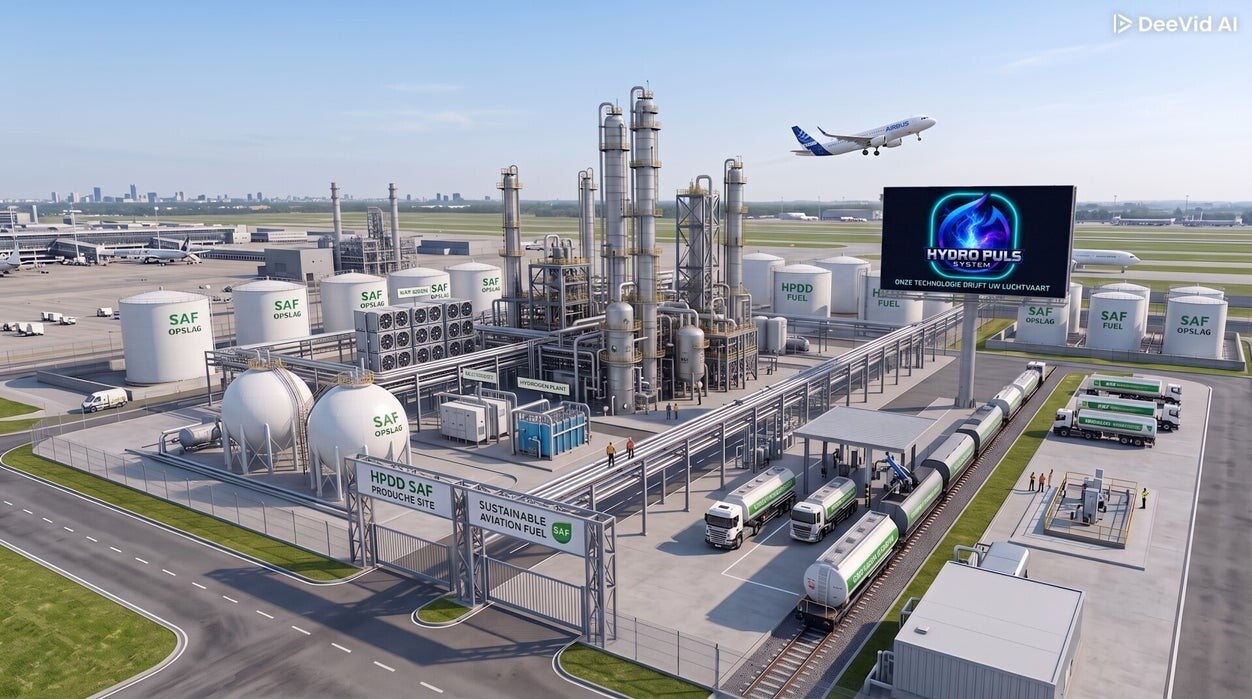
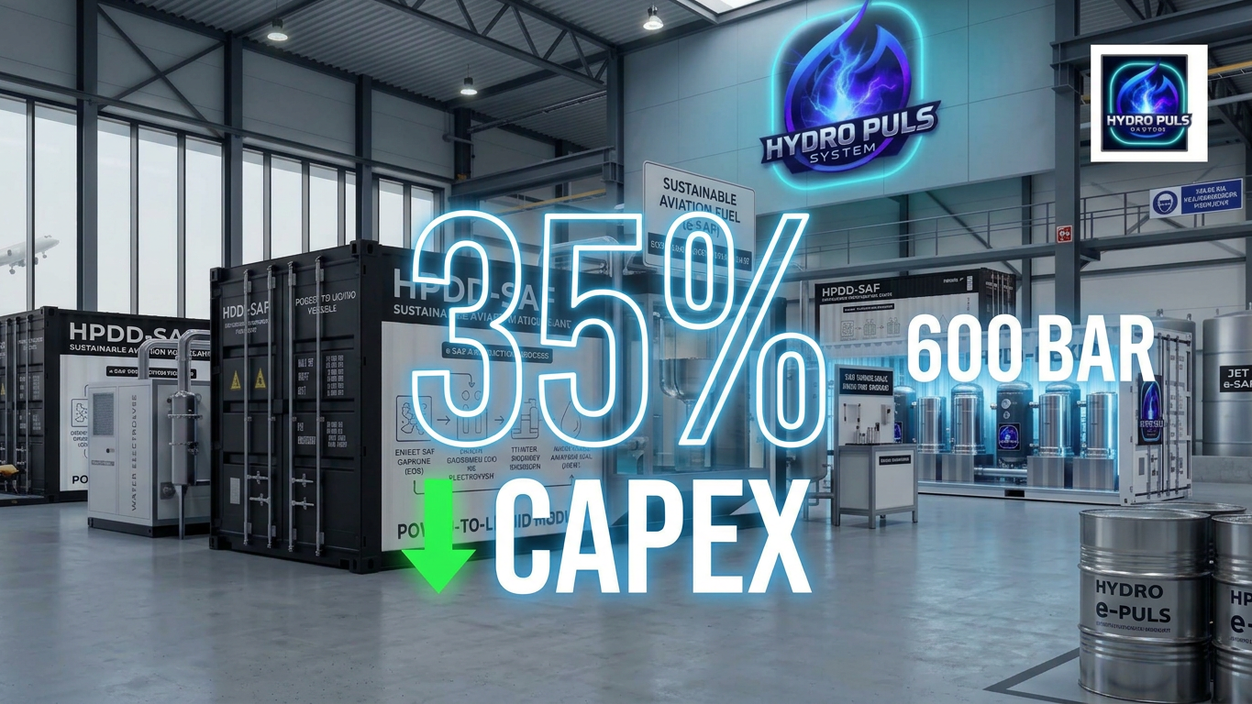
A full 600-bar direct-drive hydroprocessing unit fits within a standard 20-foot container envelope. Instead of hauling low-density waste oils across continents to centralized mega-refineries, SAF production can be deployed directly at regional hubs, rendering facilities, or pyrolysis plants.
When you cut BOP Capex by 25–35%, eliminate driveline friction, and protect multi-million-dollar catalyst beds from oil fouling, drop-in ASTM D7566 SAF can compete on raw unit economics, not artificial subsidies.
Where do you see the highest operational leverage in refining: eliminating mechanical pump packing wear, or intensifying gas-liquid mass transfer?
#SustainableAviationFuel #SAF #HPDD #ProcessIntensification #ChemicalEngineering #AviationDecarbonization #Biofuels #CleanTech #Hydroprocessing