Traditional cement production is hitting its thermodynamic and environmental ceiling.
Conventional ball mills and vertical roller mills consume vast amounts of electrical grid energy to mechanically grind clinker, while high clinker factors keep the industry's carbon footprint unsustainably high.
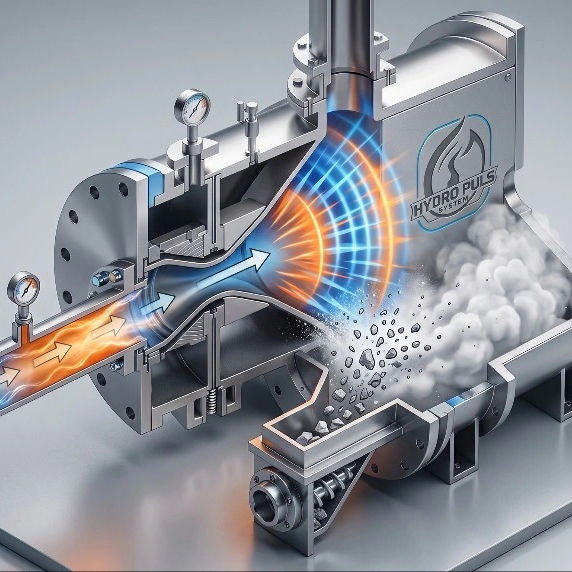
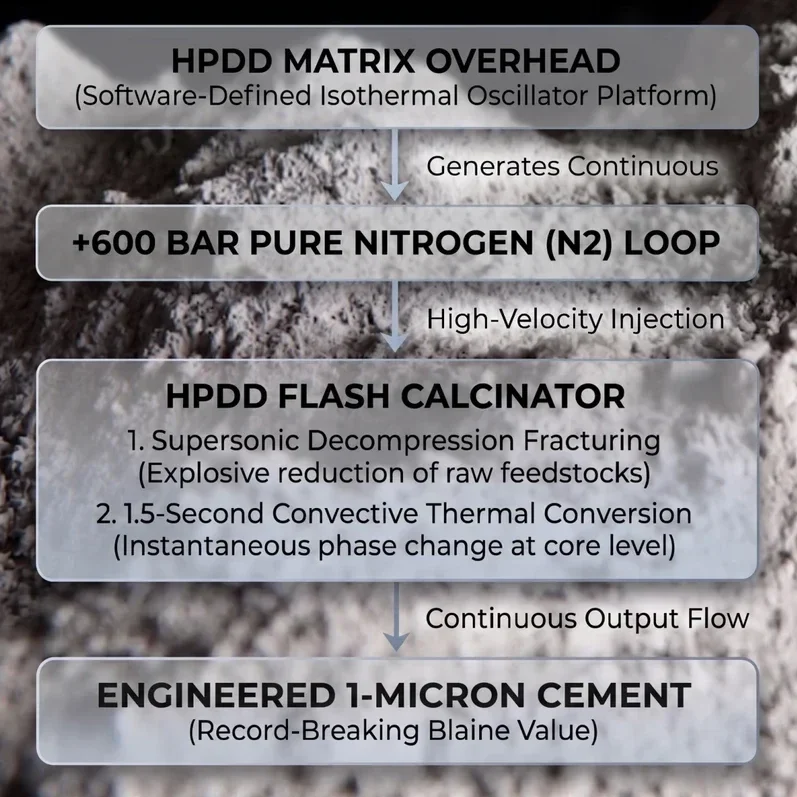
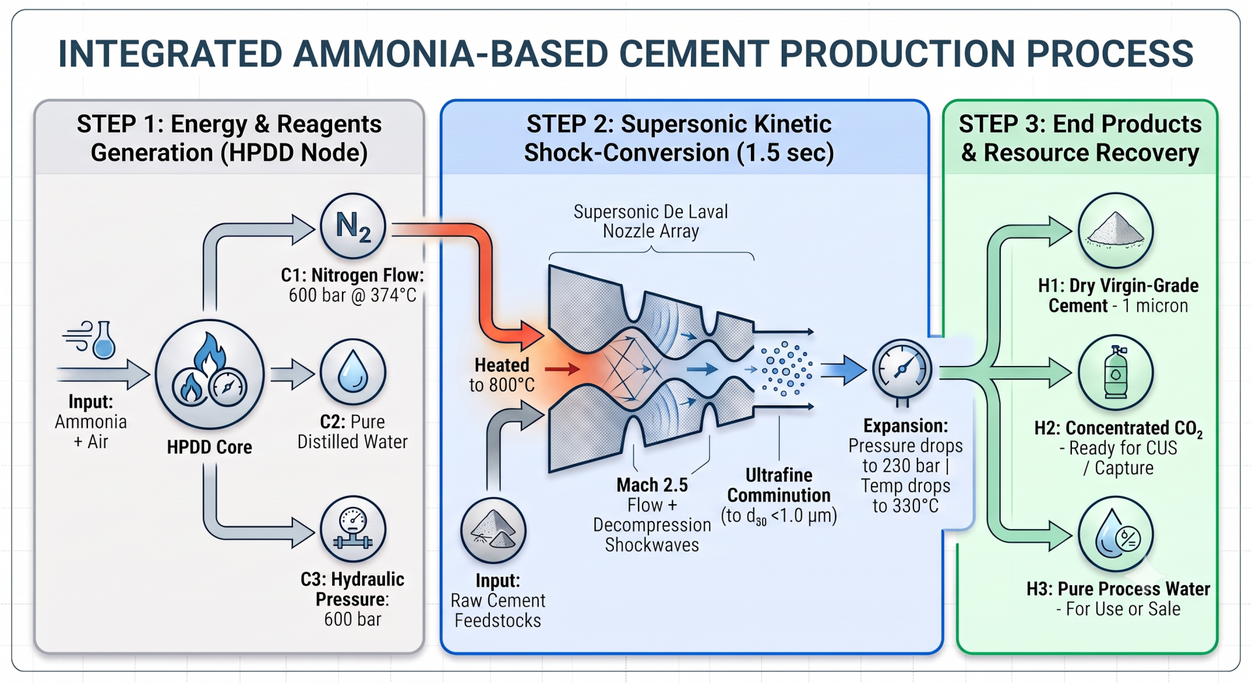
The Hydro Puls Direct-Drive (HPDD) platform redefines the clinker deconstruction circuit by replacing brute-force mechanical grinding with supersonic fluidic shockwaves:
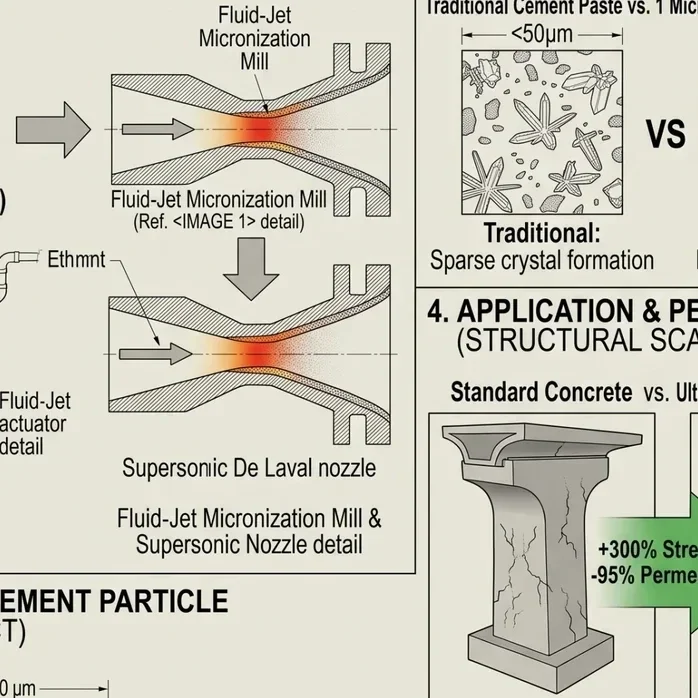
* Sub-Micron Cement (< 1 µm) Without Ball Mills: Leveraging supersonic gas kinetics and acoustic cavitation, HPDD deagglomerates clinker directly down to a sub-micron particle morphology (< 1 µm). This drastically increases reactive surface area, accelerating hydration kinetics and early-age compressive strength development.
* Massive Carbon Reduction & Clinker Factor Optimization: Because sub-micron particles hydrate far more completely, plants can substantially lower their clinker-to-cement ratio. Operators can blend significantly higher volumes of calcined clay, slag, or pozzolanic supplementary cementitious materials (SCMs) without compromising final concrete strength.
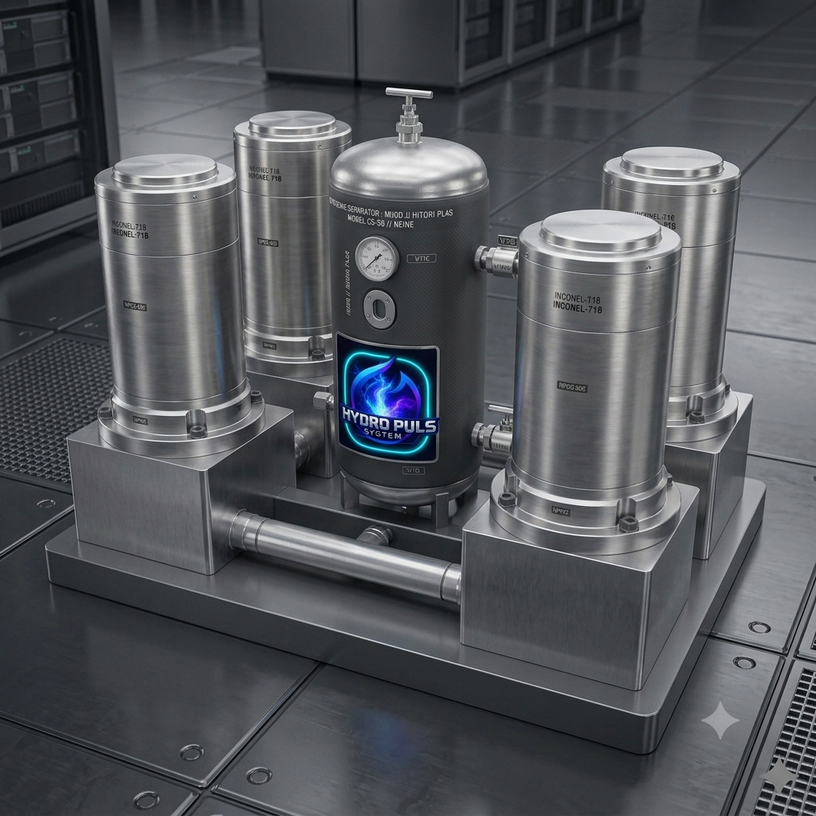
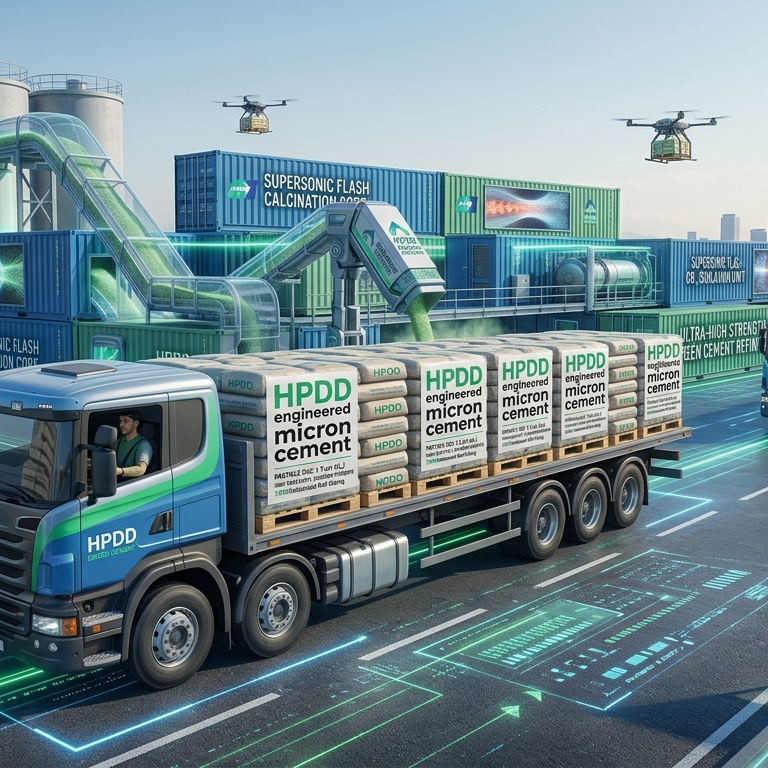
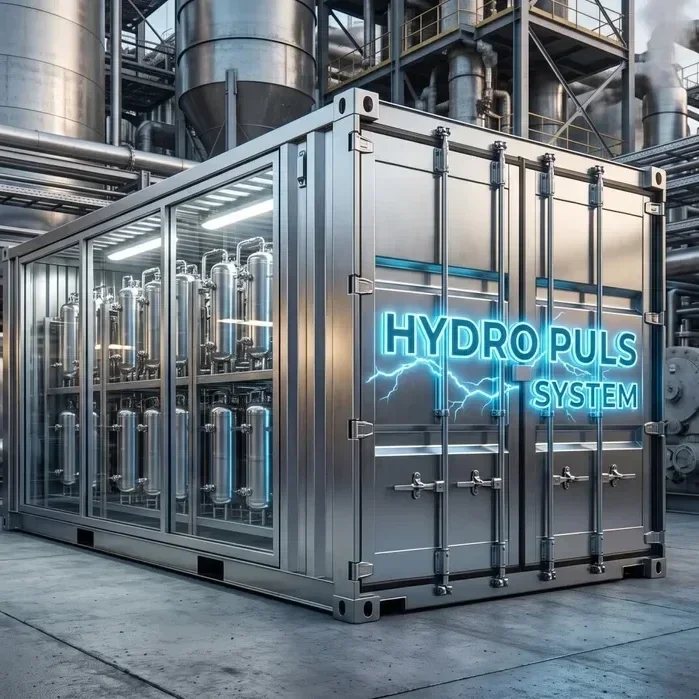
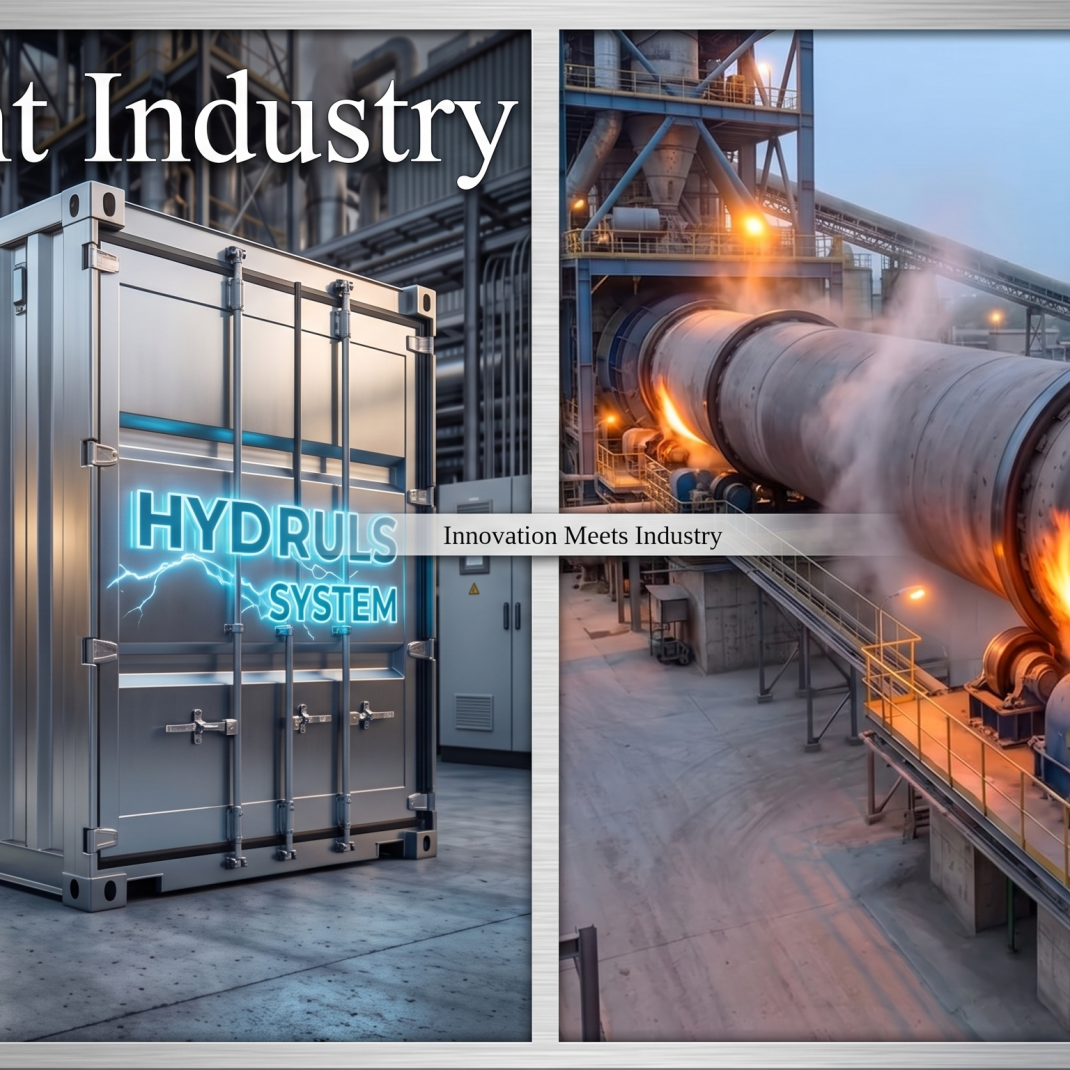
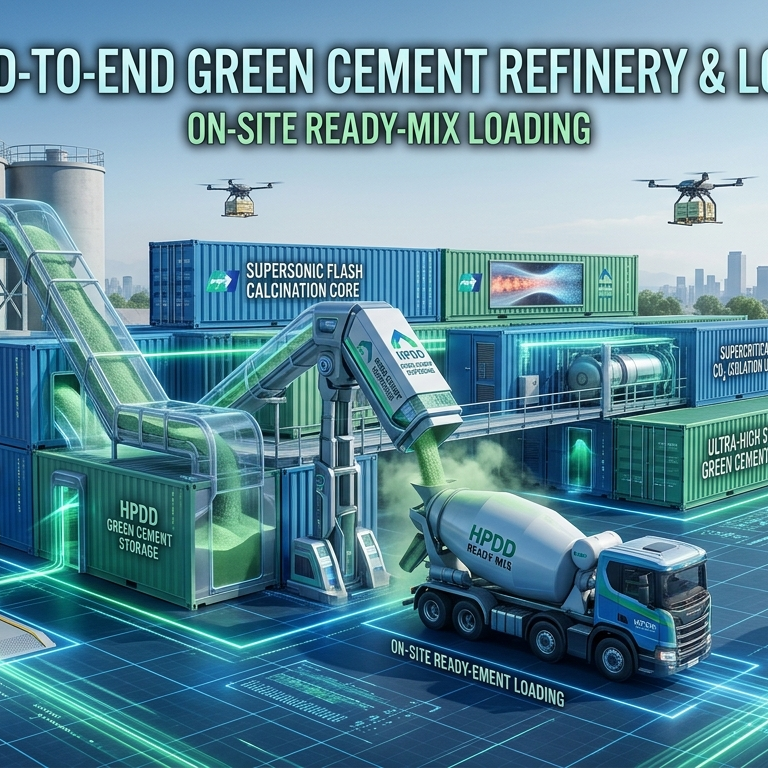
* Fully Modular & Skid-Mounted Architecture: Eliminates massive civil footprints, heavy foundation requirements, and mechanical gear wear. HPDD deploys as containerized, modular high-pressure units that scale incrementally with site capacity and integrate seamlessly into existing pyroprocessing and finishing circuits.
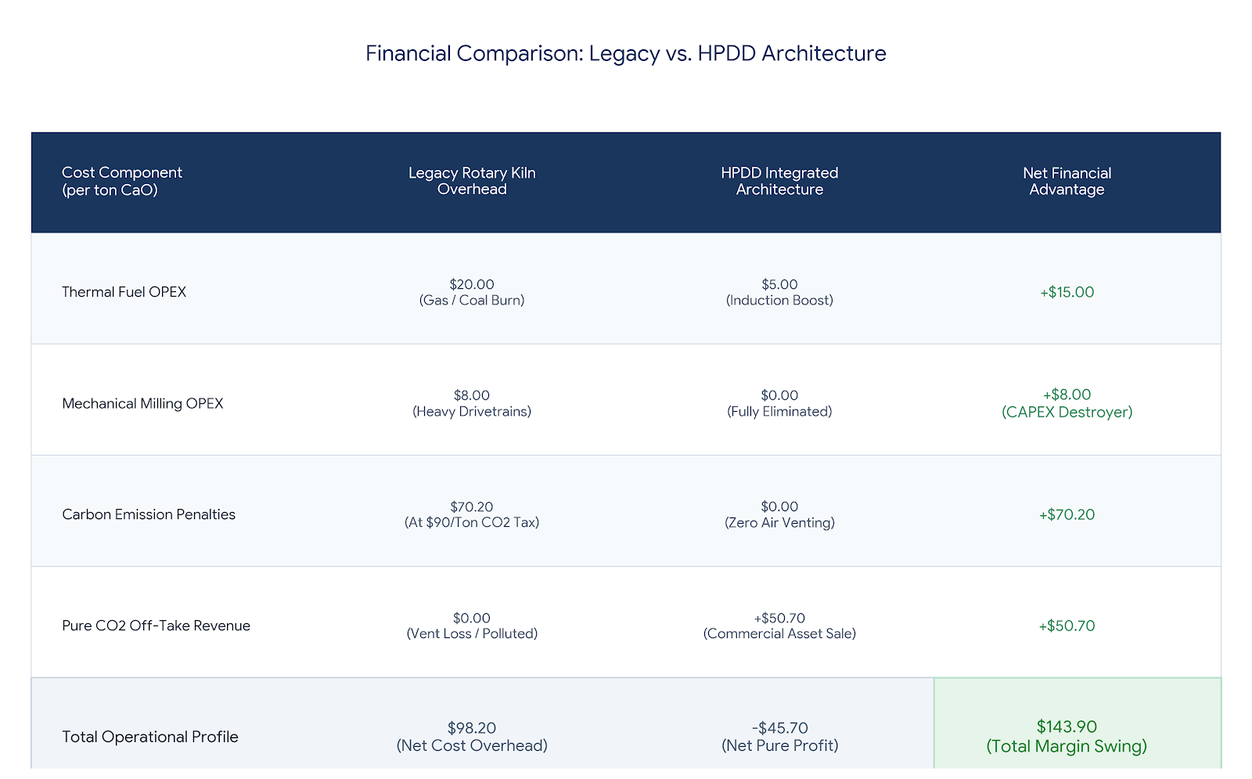
* Hermetic, Oil-Free Loop Integration: An isolated closed-loop process capable of coupling directly with kiln waste heat recovery or alternative fuel (RDF) streams to maximize thermal efficiency and drive down OPEX.
Decarbonizing cement cannot be achieved by fine-tuning century-old grinding equipment. Unlocking higher compressive strength, lower clinker factors, and true carbon abatement starts with fluidic process intensification.
#CementIndustry #Decarbonization #HPDD #ProcessEngineering #CleanTech #CircularEconomy #HeavyIndustry #SustainableCement #ConcreteTechnology