The Feedstock Paradox: Stop Patching the Past, Engineer the Source.
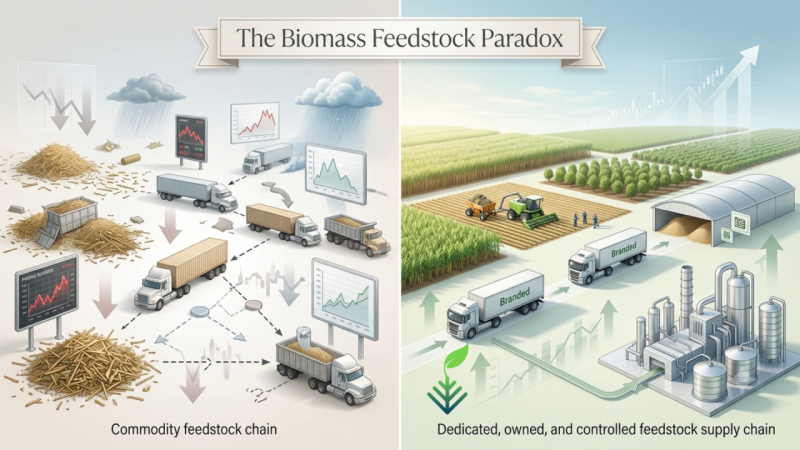
The climate-tech market is currently obsessed with the feedstock paradox. Millions are poured into companies that turn CO2 into synthetic fuels, polymers, or chemicals, only for them to fail before they scale because acquiring pure, affordable, and constant carbon feedstock is a logistical nightmare.
But this paradox highlights an even deeper, systemic flaw: the industry is hyper-focused on managing carbon after the damage is done.
Trying to decarbonize heavy industry by tacking on downstream utilization loops or energy-intensive chemical scrubbers is like putting a bandage on a broken thermodynamic architecture.
1. The Trap of Post-Process Cleaning
The traditional model accepts combustion, accepts fossil-fueled heat, and accepts heavily diluted flue gases as a given. It then tries to fix the problem at the tail end.
This "point-source patching" loop creates massive capital expenditure overheads and high parasitic energy demands, cannibalizing the operational margins of green businesses before they even launch.
2. Bypassing the Puzzle Entirely
We need to shift our focus from post-process cleaning to first-principles process redesign. The most cost-effective carbon to utilize or capture is the carbon that is never produced in the first place.
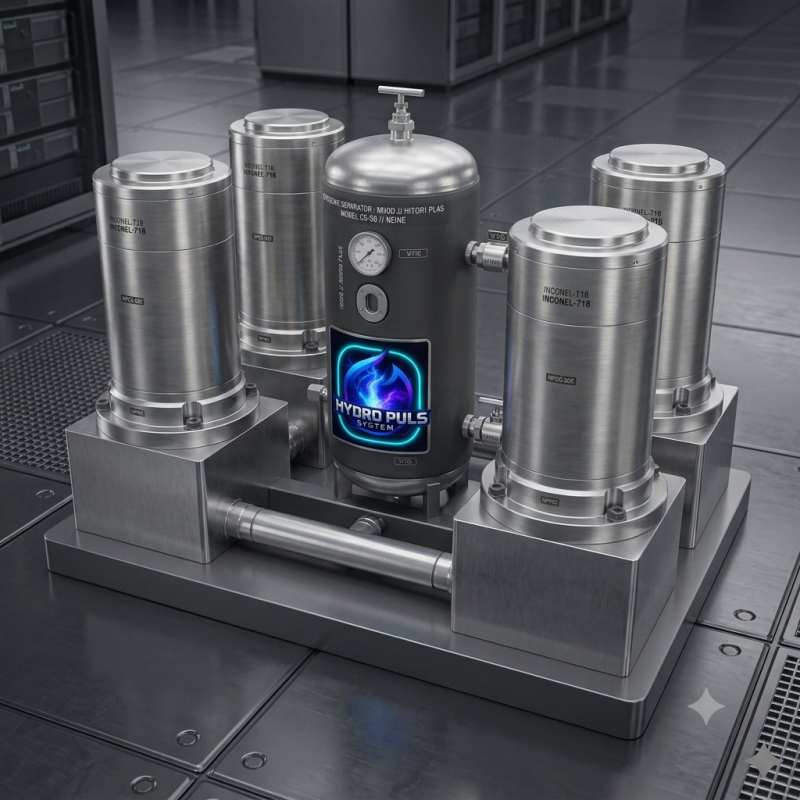
With the Hydro Puls Direct-Drive (HPDD) platform, we don’t capture CO2. We don’t produce it. We bypass the feedstock puzzle altogether.
3. Redesigning Heavy Manufacturing By Design
Instead of optimizing century-old infrastructure in isolation, the HPDD architecture rewrites the industrial process loop from scratch:
100% Electrified Energy Core: We replace traditional, fossil-fueled thermal calcination and energy-intensive mechanical grinding lines.
Closed-Loop Fluidic Shockwaves: Material processing is executed via a superheated, high-pressure inert nitrogen stream (600 BAR / 740∘C).
Zero-Air Process Environment: By shattering raw materials instantly into sub-micron powder from within, we enable rapid convective flash calcination in just 1.5 seconds without an open-air combustion profile.
The Structural Shift: Heavy industry does not need cleaner versions of old thinking. It needs an entirely new energetic pathway.
By upgrading the primary energy core to be completely clean by design, we render downstream carbon tracking, scrubbing, and logistics entirely obsolete.
If we want to truly scale green technology and make hard-to-abate sectors viable for the next century, we must stop trying to clean up the past. We have to engineer carbon out of the production cycle entirely.
#IndustrialDecarbonization #DeepTech #CleanTechnology #Sustainability #ProcessEngineering #EnergyTransition #HPDD #HydroPuls