Evaluating chemical energy vectors solely as a replacement for electric wires misses the entire point of thermodynamics.
If your only objective is single-output shaft rotation, direct electrification wins every time. But heavy industrial assets, especially AI hyperscale data centers, do not just consume electricity.
A typical data center faces three crippling bottlenecks:
1. Severe grid interconnection queues and transmission bottlenecks.
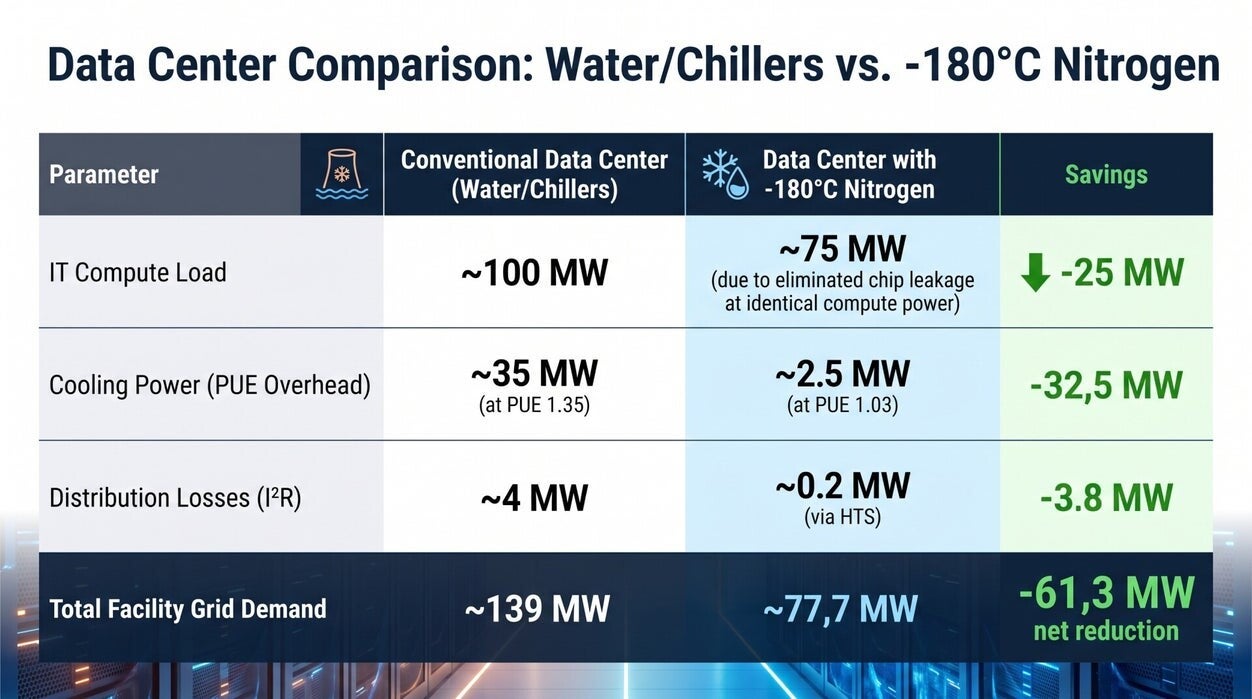
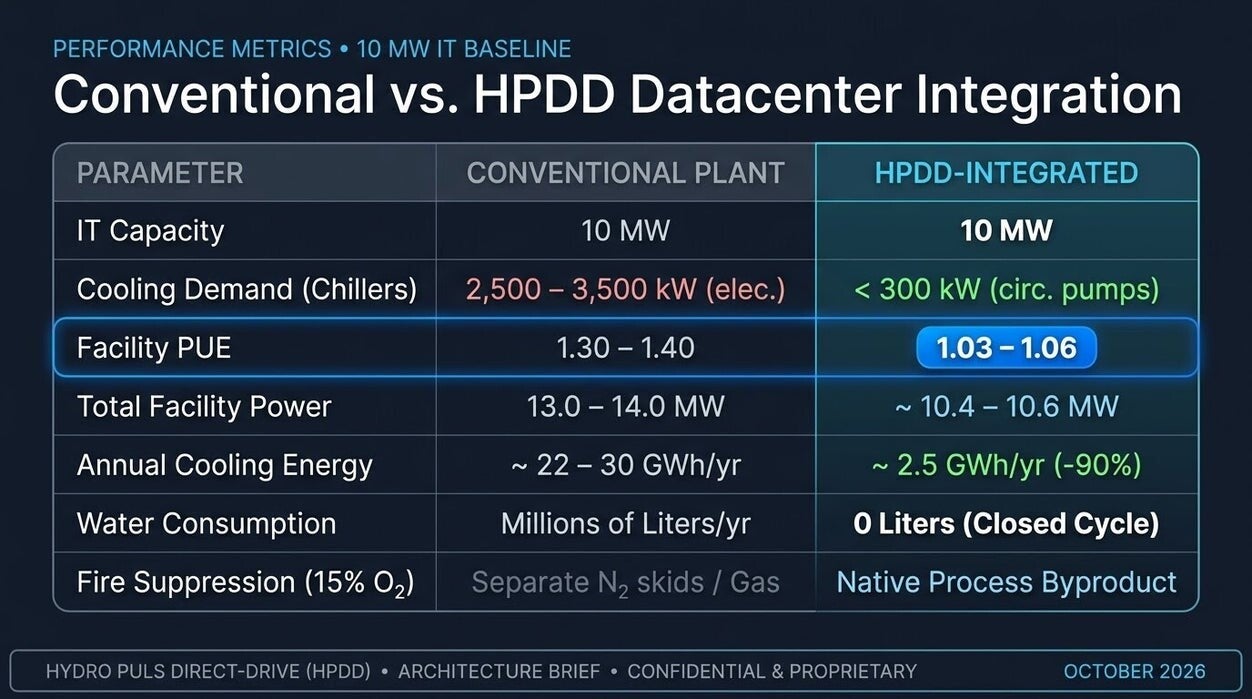
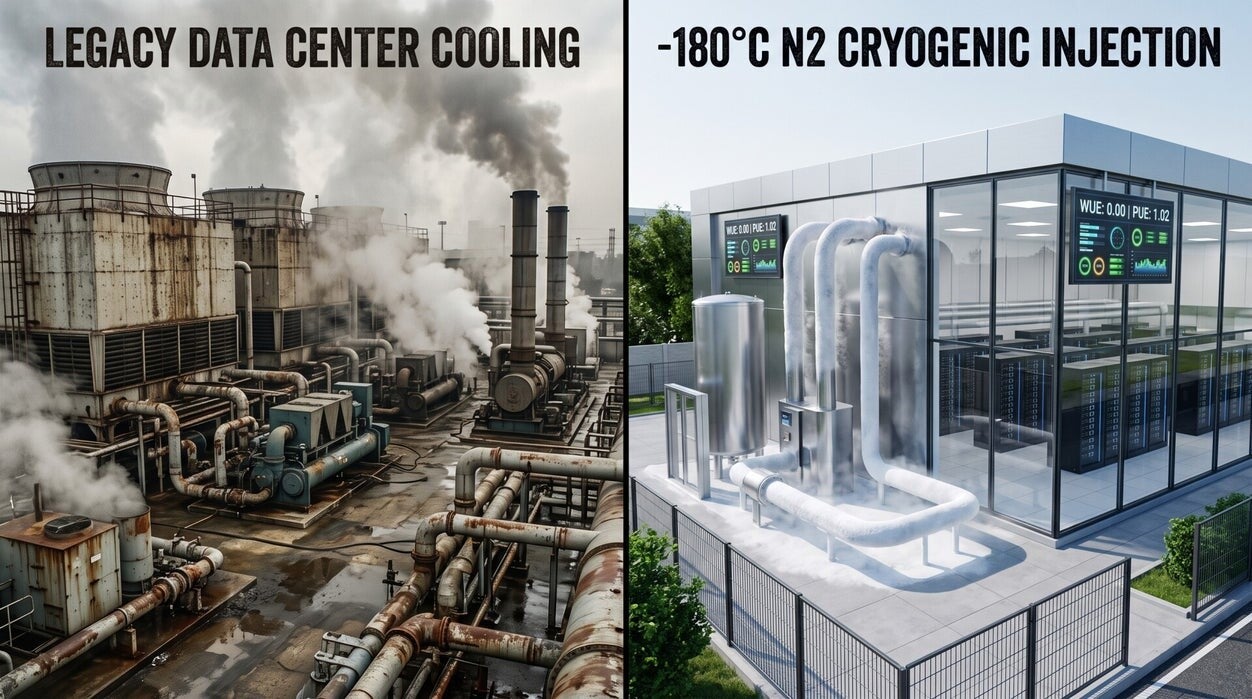
2. Massive parasitic cooling loads (30% to 40% of total site power spent on chillers).
3. Millions of liters of municipal water consumed daily for evaporative heat rejection.
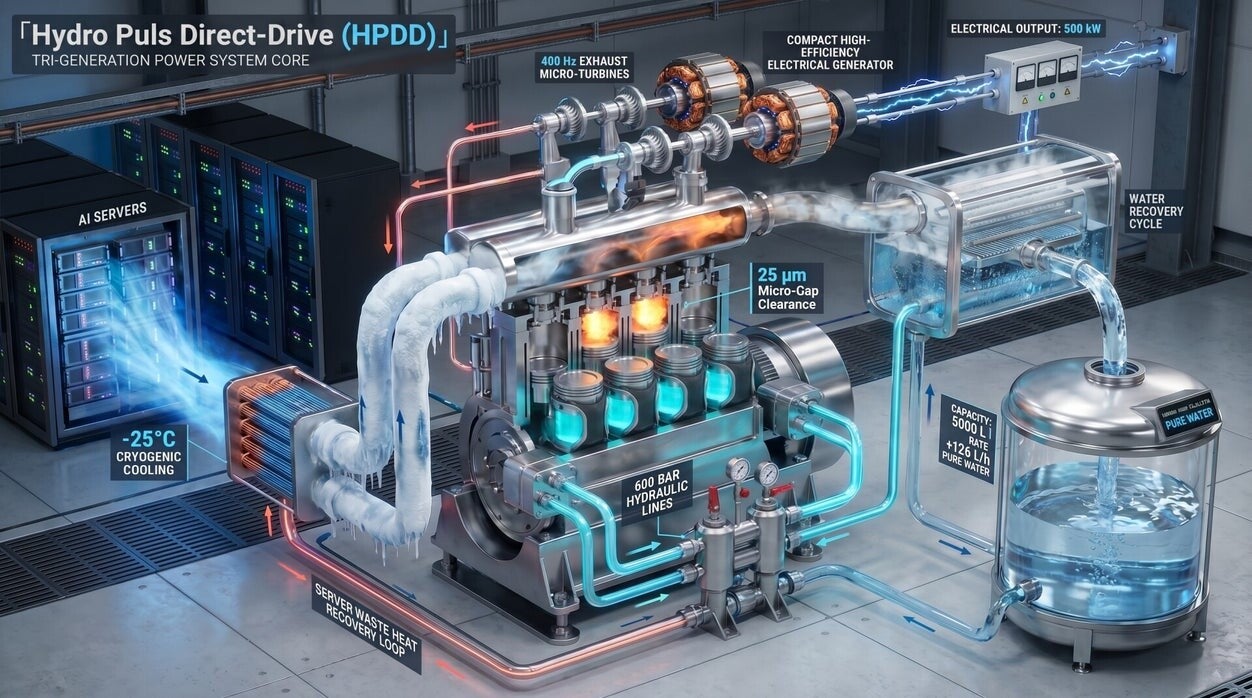
No electric transmission line or battery park can deliver power, sub-zero refrigeration, and high-purity water from a single input. An integrated, sealed HPDD reactor delivers all three concurrently:
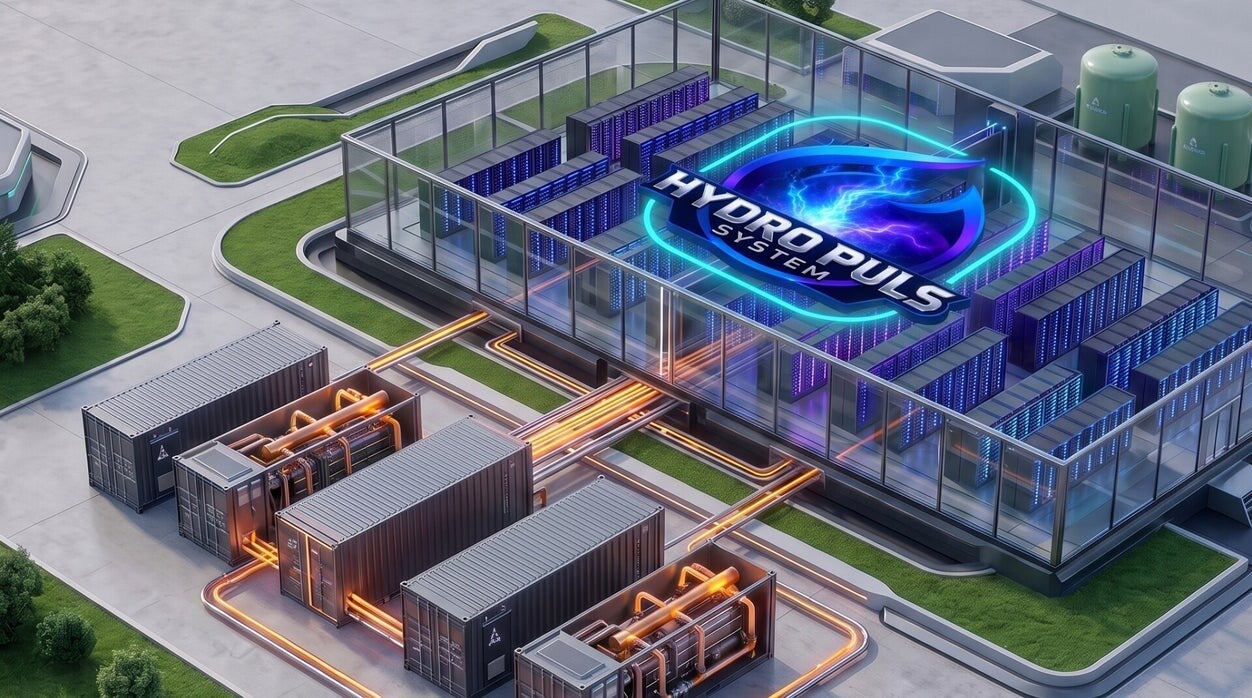
• Firm 24/7 Power: Continuous on-site power, entirely immune to grid congestion.
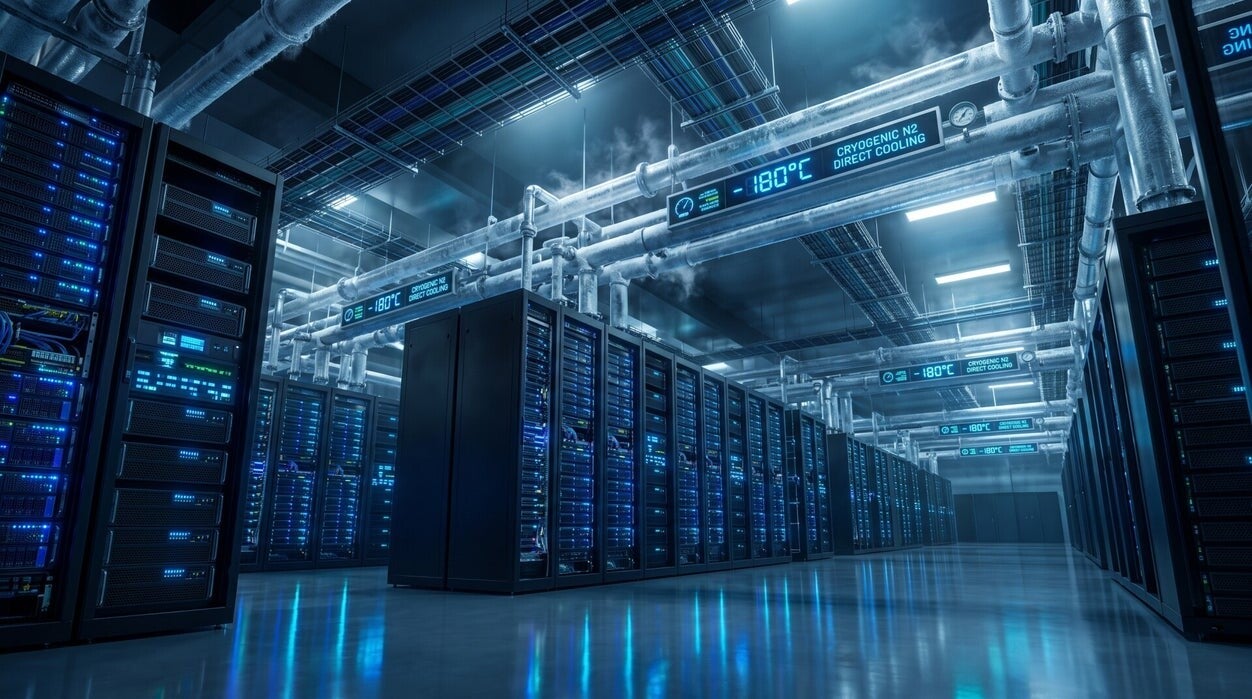
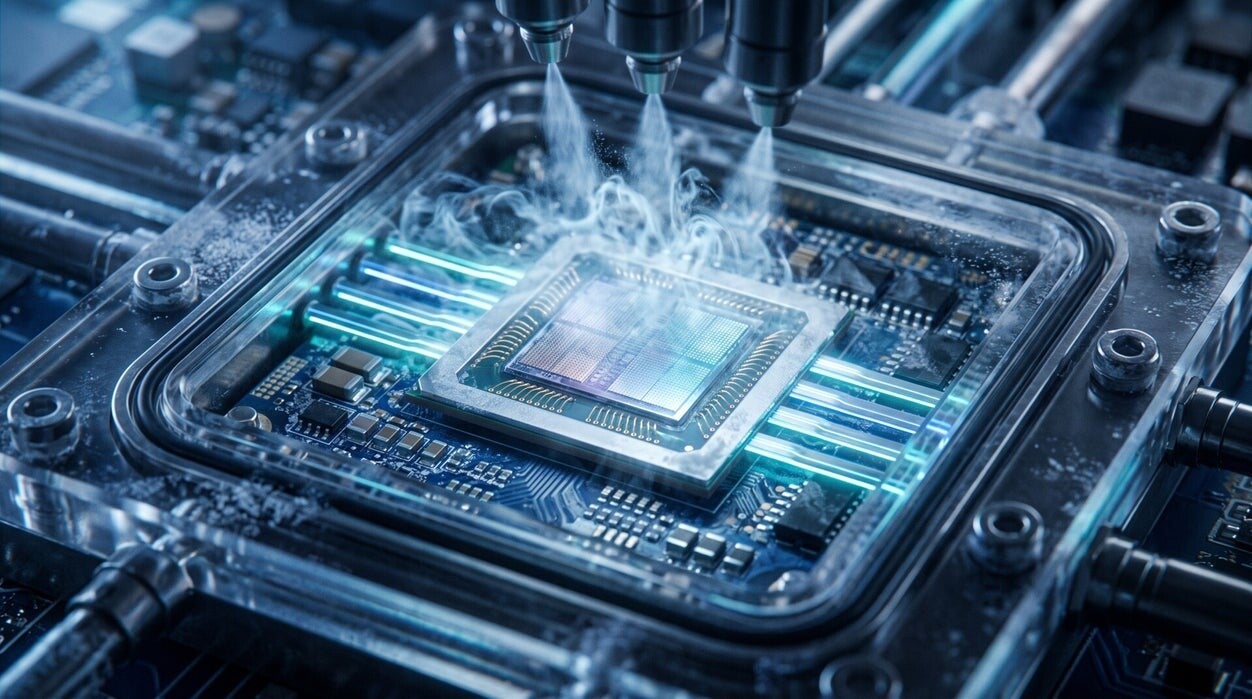
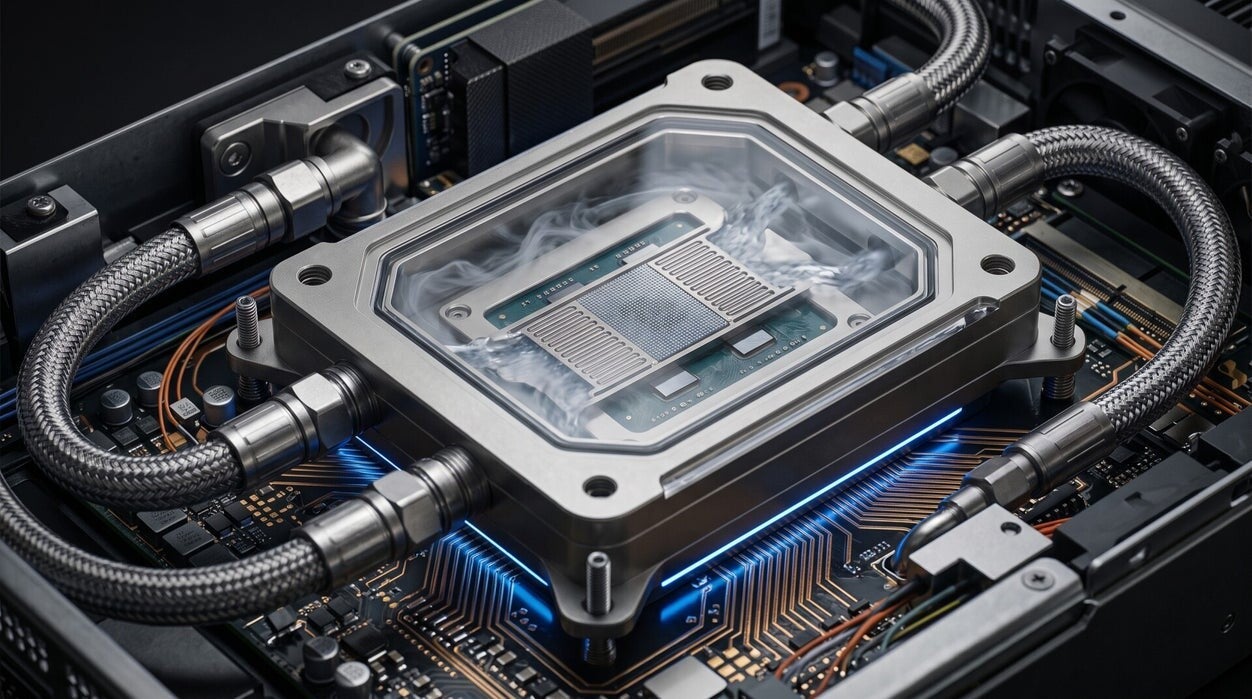
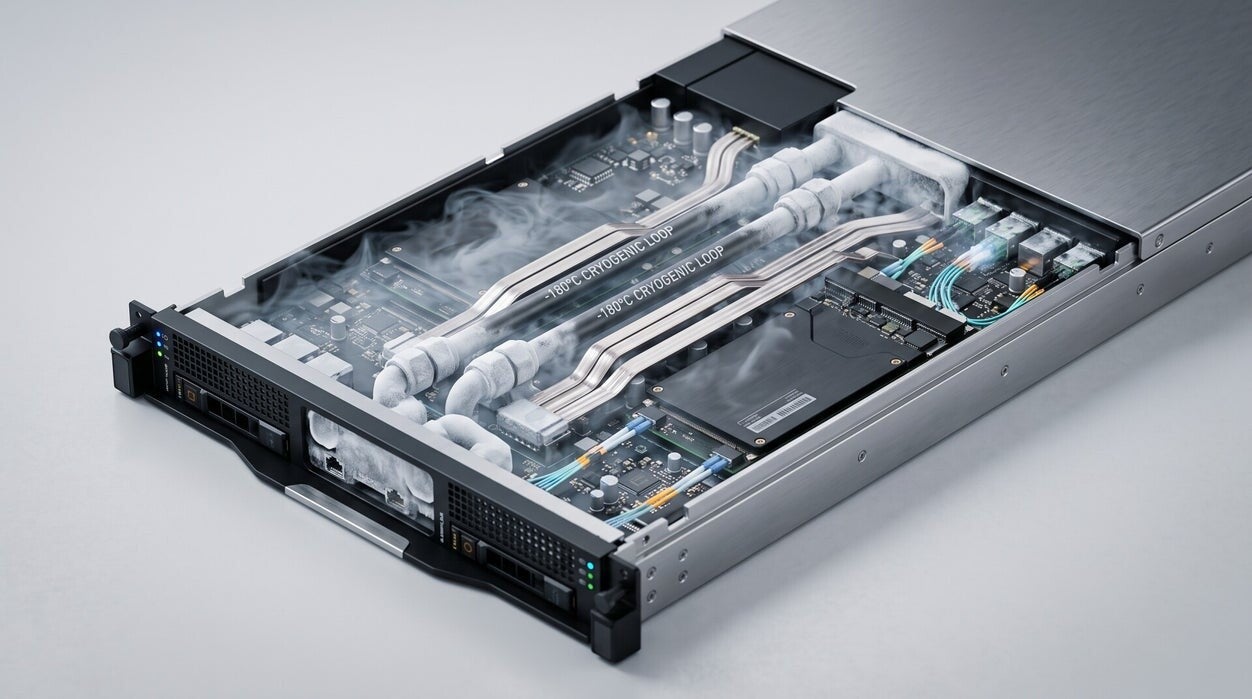
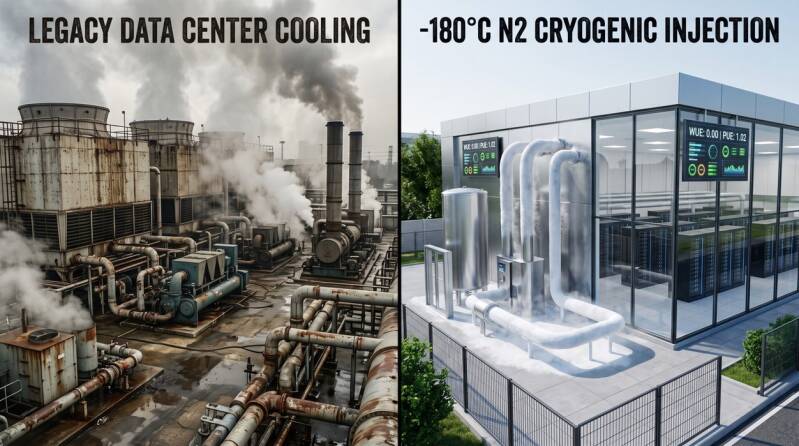
• "Free" Sub-Zero Cooling: Liquid ammonia carries massive latent heat of vaporization (-33°C). Regasifying the carrier harvests direct sub-zero cooling enthalpy straight into liquid-to-chip server loops, bypassing heavy mechanical chillers.
• "Free" Pure Water: The stoichiometric closed reaction generates ultra-pure condensed water on-site as a synthesis byproduct, transforming the facility from a local water drain into a net-zero water consumer.
Electricity + Sub-Zero Cooling + Pure Water from a single contained molecule.
When you capture all three exergy streams simultaneously, system efficiency reaches levels pure electrification cannot touch. The future of resilient computing isn't just about cables, it is about closed-loop coproduction.
#DataCenters #Coproduction #EnergyResilience #CleanTech #DeepTech #Sustainability #HydroPuls #PowerGeneration #LiquidCooling