

Hydrothermal Vapor Core


🌐 The Hydrothermal Vapor Core: Elevating Pyrolytic Char to Premium Virgin-Grade Carbon Black Market Valuations 🛢️
🏎️⚡Industrial scale-up is about deploying a standardized physical asset class that turns severe manufacturing liabilities into high-margin corporate cash flows.
Alongside Principal Process Architect Prof. Dr. Mohamed Amin, Hydro Puls Direct-Drive (HPDD) has officially locked its first-principles equations to eliminate the ultimate bottleneck in tyre recycling: Ash Contamination, Volatile Sulfur Strings, and Extreme Frictional Coking.
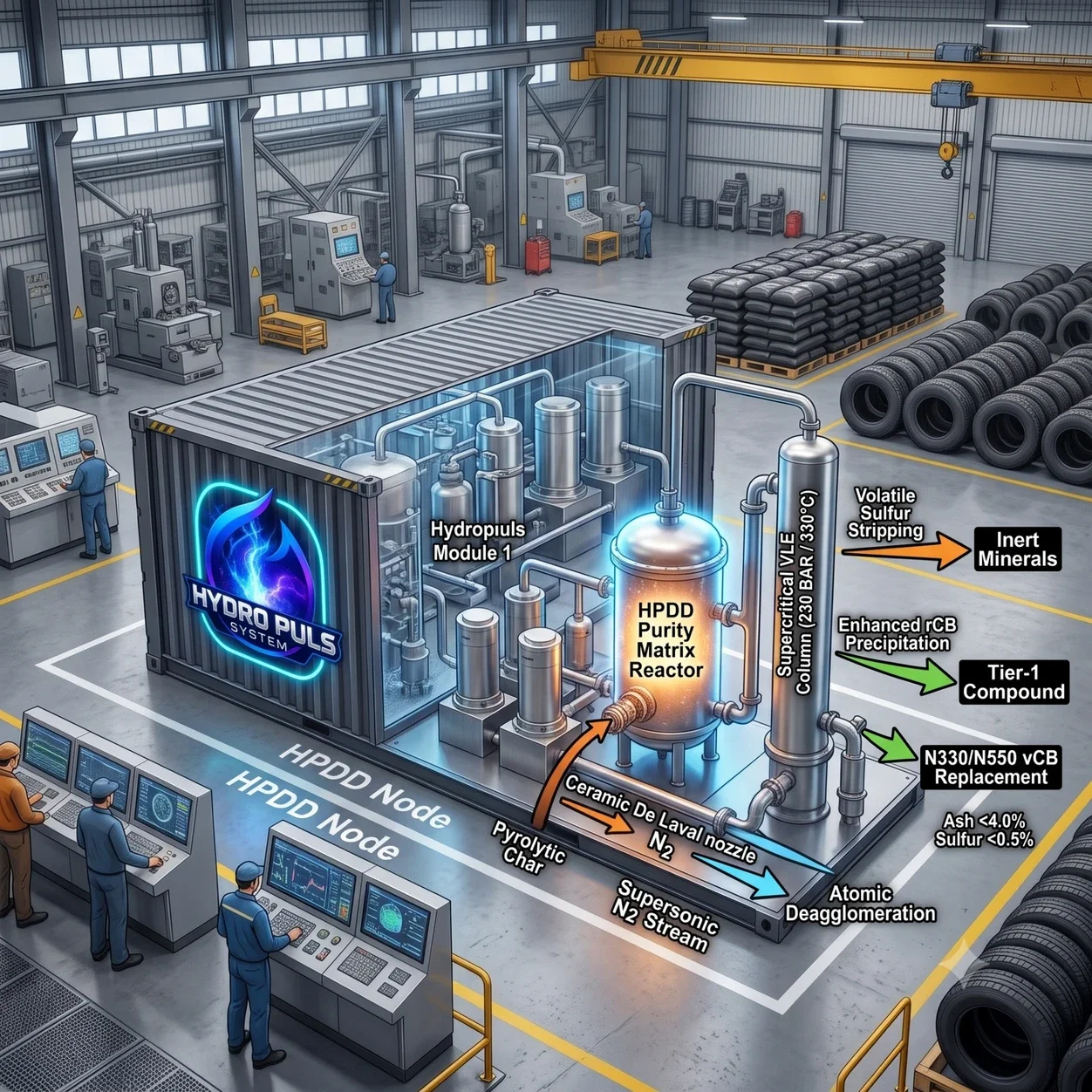
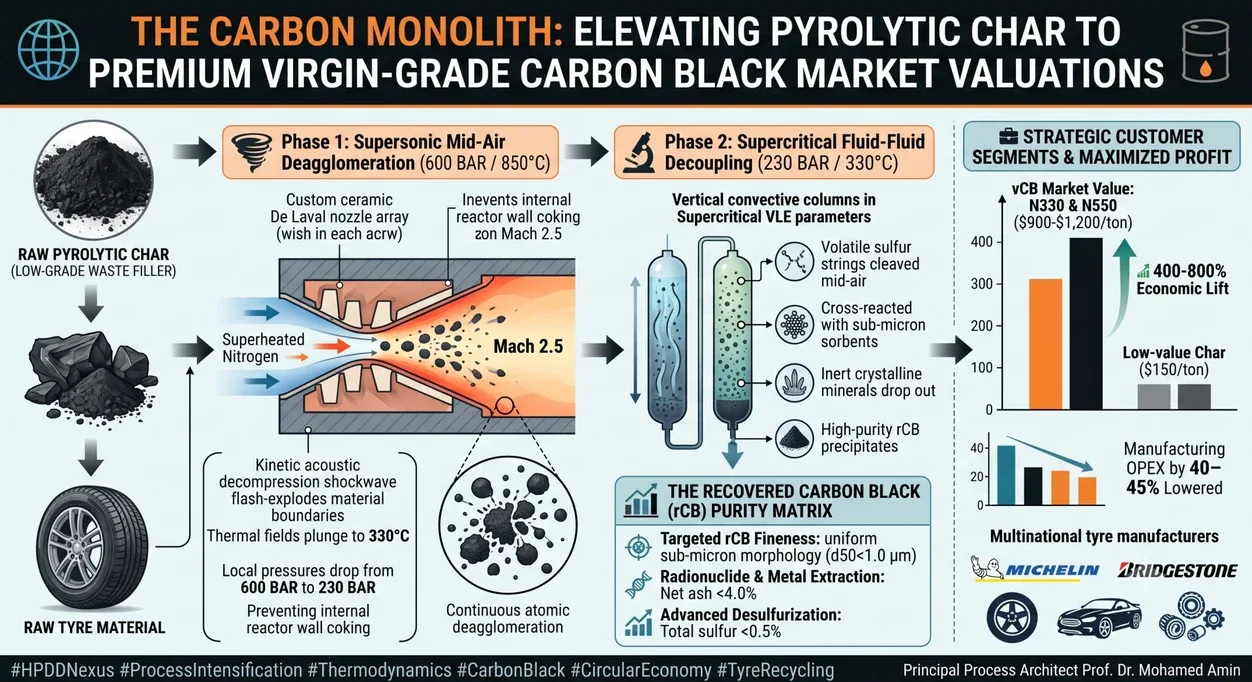
📊 THE RECOVERED CARBON BLACK (rCB) PURITY MATRIX By transitioning from macroscopic mechanical grinding to gas-phase transport kinetics, the HPDD core strips out impurities natively in suspension:
Targeted rCB Fineness: Continuous atomic deagglomeration achieving a uniform sub-micron morphology (d50<1.0 μm).
Radionuclide & Metal Extraction: Strips heavy zinc complexes and reduces net ash content to <4.0%.
Advanced Desulfurization: Cleaves volatile organic sulfur strings mid-air, dropping total sulfur content to <0.5%.
This extreme purity profile matches the exact morphological structure, tensile reinforcement properties, and tinting strength of high-value N330 and N550 Virgin Carbon Black (vCB), shifting the material from a low-grade waste filler into a premium compound for tier-1 rubber manufacturing.
⚙️ STEP-BY-STEP THERMOCHEMICAL PURIFICATION TRACE
🌪️ Phase 1: Supersonic Mid-Air Deagglomeration (600 BAR / 850°C) Raw tyre pyrolytic char is cross-injected into an oxygen-free, superheated Nitrogen stream accelerated past Mach 2.5 through custom ceramic De Laval nozzle arrays. Local pressures drop from 600 BAR to 230 BAR, causing thermal fields to plunge to 330°C due to expansion work.
This kinetic acoustic decompression shockwave flash-explodes material boundaries mid-air in milliseconds, breaking down rigid particle aggregates before they can coke internal reactor walls.
🔬 Phase 2: Supercritical Fluid-Fluid Decoupling (230 BAR / 330°C) The pulverized vapor enters vertical convective columns running under strict Supercritical VLE parameters at 230 BAR and 330°C. Volatile sulfur strings are stripped mid-air and cross-reacted with sub-micron sorbents to drop out as inert crystalline minerals, while high-purity, bone-dry rubber-grade enhanced rCB precipitates out under an ironclad mass lock (ΔMass=0.000 kg).
💼 STRATEGIC CUSTOMER SEGMENTS & MAXIMIZED PROFIT
Primary Segments: Multinational Tyre Manufacturers (Bridgestone, Michelin), Tier-1 Automotive Rubber Parts Fabricators, and global Masterbatch Plastic Producers.
The Economic Lift: Bypasses mechanical degradation, lowering manufacturing OPEX by 40–45%. By upgrading low-value char ($150/ton) into an underwritable N330/N550 vCB replacement valued at $900–$1,200/ton, the HPDD node unlocks massive, recurring multi-megawatt licensing royalty streams.
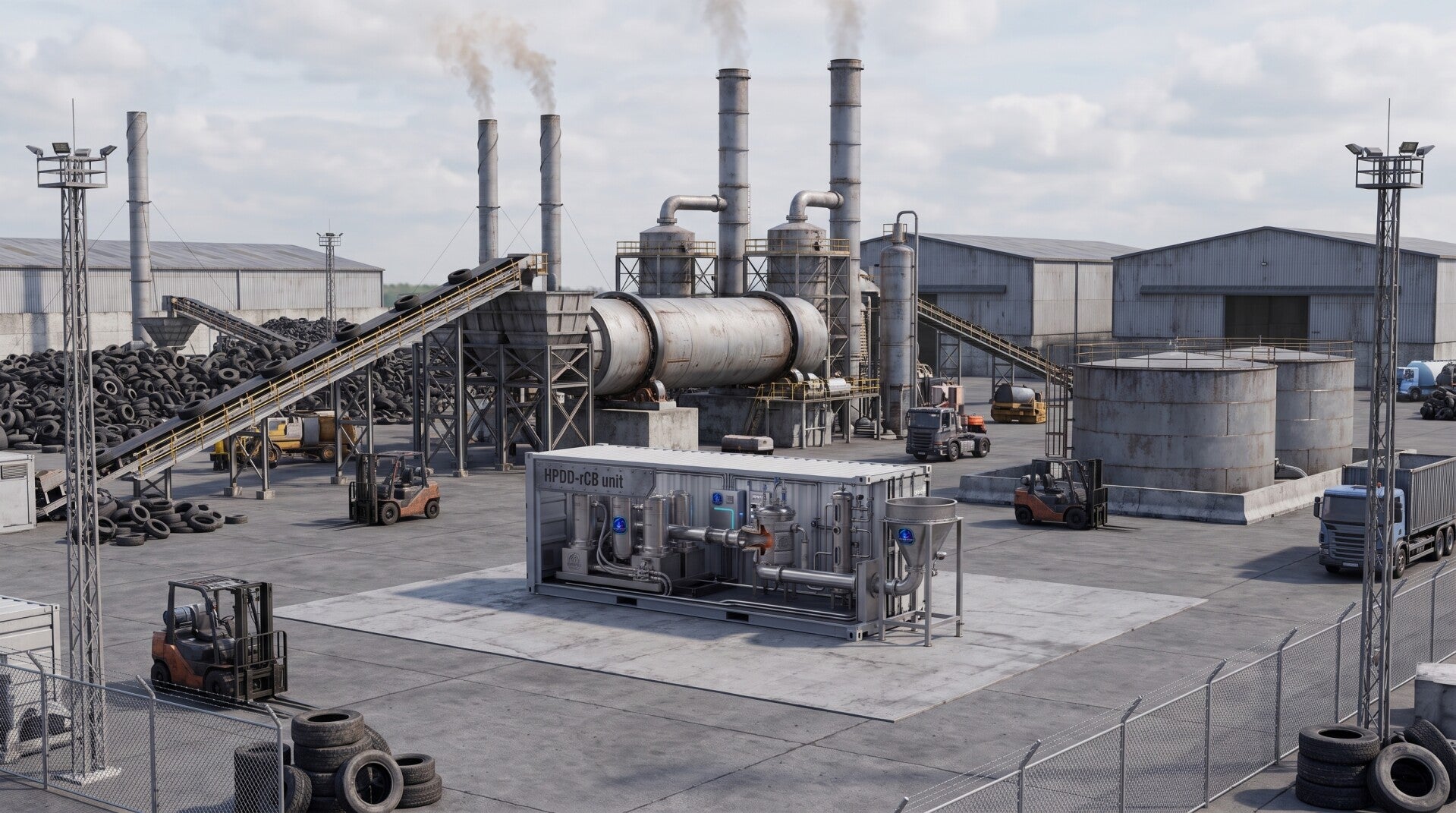
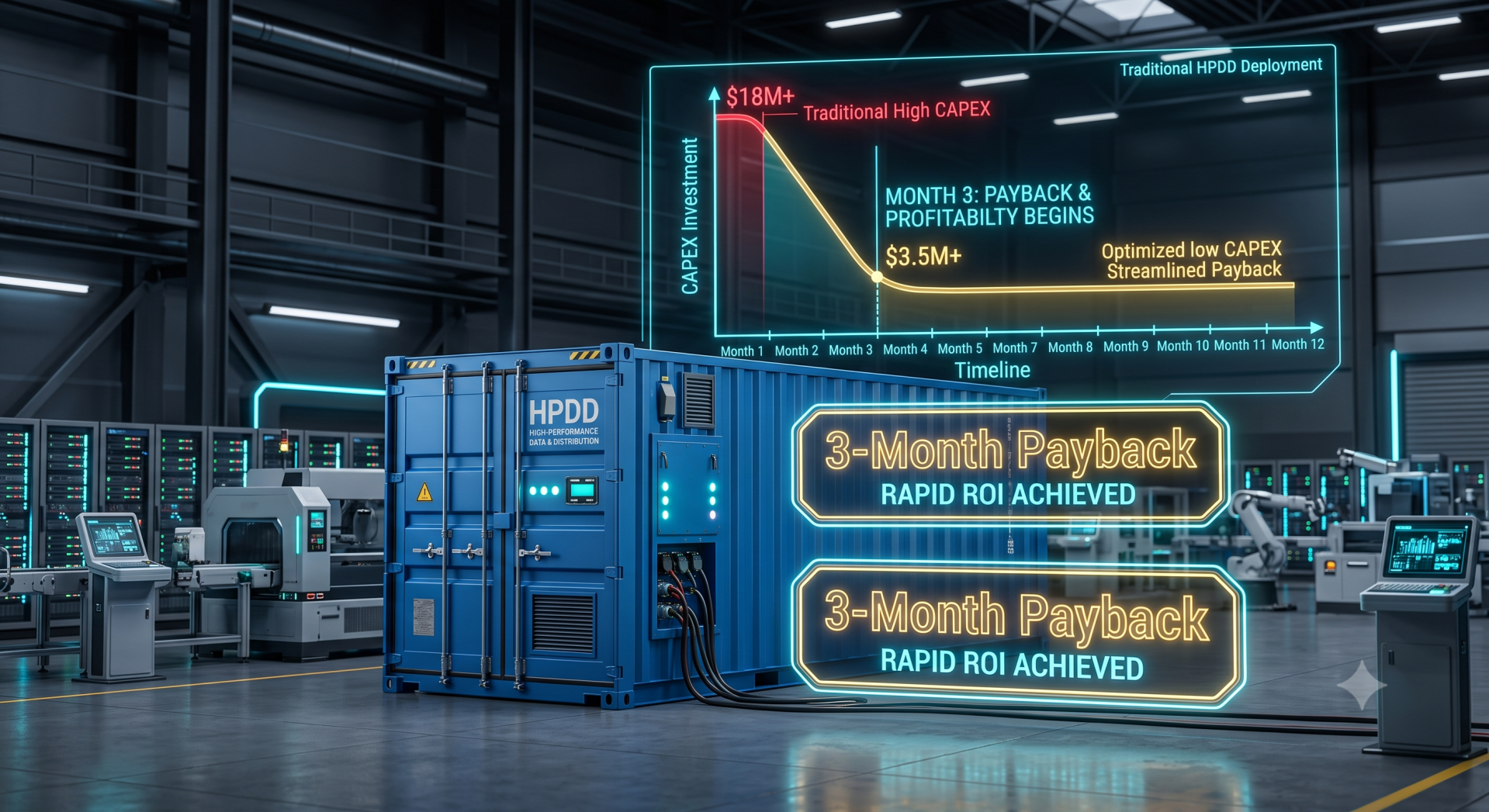
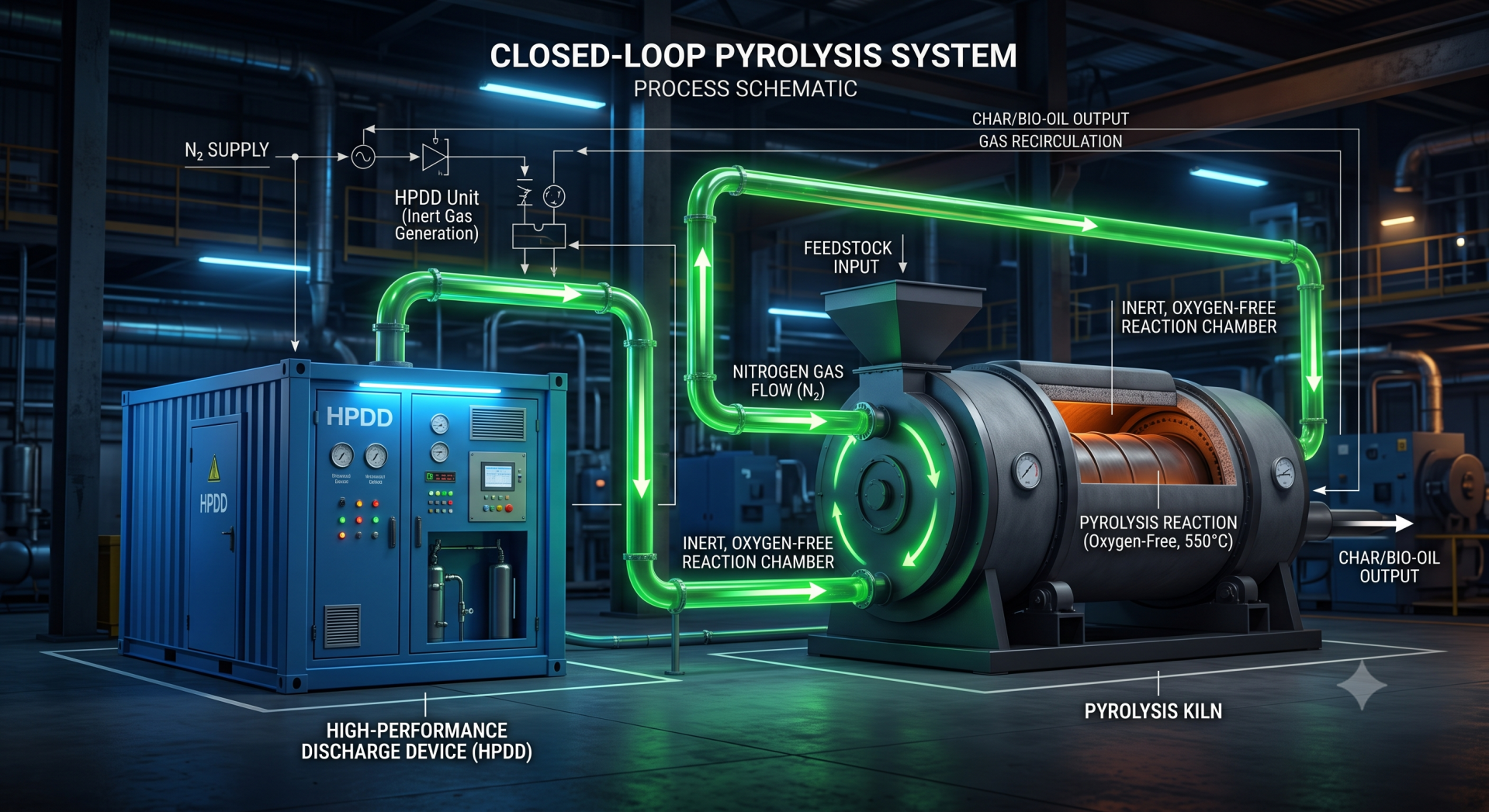
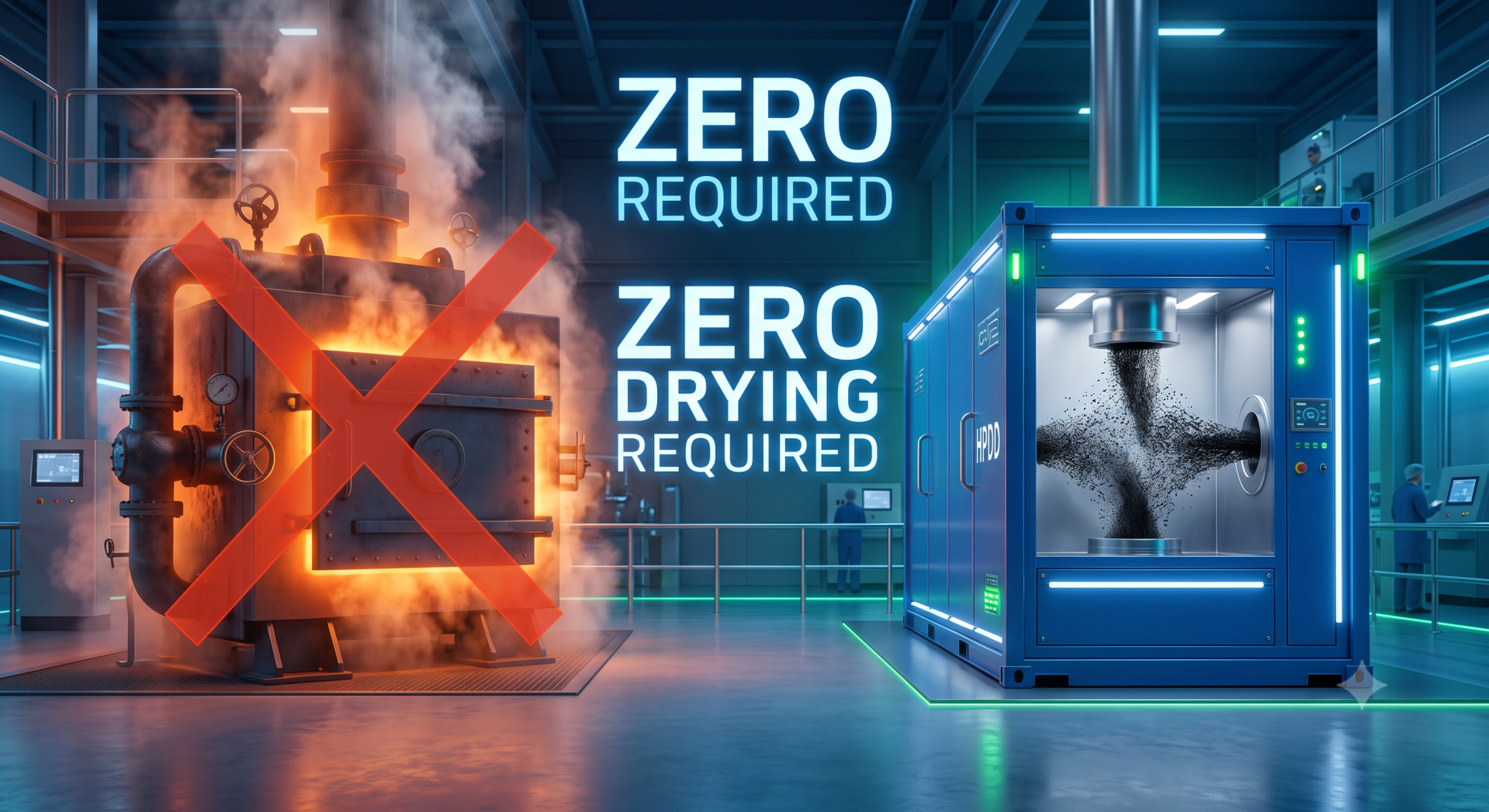
To support engineering board´s with absolute transparency and data realism, our process engineering office, led by Co-Founder and Co-Principal Process Architect Dr. Mohamed Amin El-Badry (Associate Professor of Microbiology , Al-Azhar University, Egypt), has compiled the following written technical brief.
This protocol directly addresses 6 assessment pillars, explicitly distinguishing between raw simulation boundary conditions, internally logged prototype parameters, and standard test methodologies:
-----------------------------------------------------------------------------------------------------------------------------------------------------------------------------------------------------------------------------
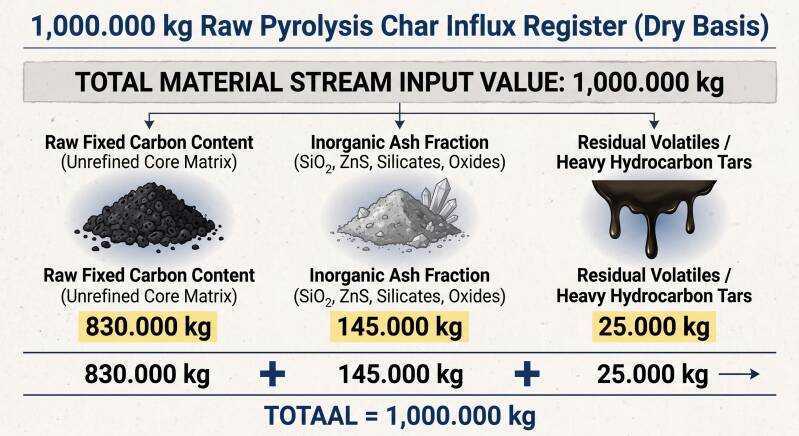
1) Clarifying Carbon Mass Yield vs. Total System Mass Balance (Delta Mass = 0)
- The Carbon Mass Preservation: To be mathematically precise, the phrase "100% mass yield" refers strictly to 100% Carbon Atom Preservation.
- Traditional chemical or high-temperature thermal purification systems burn off or gasify a massive fraction of the fixed carbon mass into (CO2) or (CO) emissions to drive the reaction.
- The HPDD closed-loop architecture operates in a completely oxygen-depleted, inert Nitrogen atmosphere, meaning zero carbon mass is lost to combustion, gasification, or oxidation.
- The Total Closed-Loop System Ledger: The rule of (Delta Mass = 0.000 kg) applies to the total system input and output streams.
- The inorganic ash is not transformed into carbon; it is physically isolated and separated into a distinct, dry mineral stream.

2) Conventional Processing Loss Context
Our cited 50% to 60% material yield loss refers strictly to the conventional manufacturing corridor of natural flake graphite processing, specifically during the mechanical spheronization stage required to turn flat natural flakes into spherical graphite for battery anodes. It is not a measurement of raw tire char yield. In standard mechanical milling and shaping lines, over half of the raw natural graphite flake is ground down into unusable, ultra-fine carbon dust that is discarded as a low-value byproduct. The HPDD platform completely bypasses this capital drain: because our system processes the carbon from an un-agglomerated precursor base natively in flight, it achieves an un-degraded carbon recovery curve with zero mechanical milling dust waste.
3) The Mechanism of Supersonic In-Flight De-Ashing
- The De-Bonding Physics: In raw pyrolysis char, the inorganic zinc, silicates, and carbon structures are not chemically bonded into a single molecule; they are physically fused and locked together inside complex, stubborn macro-aggregates. Traditional mechanical mills fail to separate them because grinding simply crushes the entire aggregate together, re-embedding the ash into the smaller carbon particles.
- The Shockwave Solution: The Atomic Eraser utilizes gas-kinetic physics. The raw char is fluidized into a primary 371 BAR Nitrogen carrier loop pre-heated to 274°C via native pinch networks. Expanding this fluid past Mach 2.5 through custom ceramic convergent-divergent nozzle arrays drives an instantaneous single-stage pressure drop down to 1 BAR, triggering a violent expansion drop. High-velocity particle-on-particle shockwave collisions mid-air natively in suspension flash-shatter the brittle aggregates along their natural crystal boundaries within a 1.5-second total residence time, physically tearing the heavier, rigid inorganic inclusions (silica, zinc) away from the lighter carbon sheets, allowing them to drop out sequentially inside our 75 BAR vertical convective separation columns.
4) Microsecond Mechanochemical Graphitization
- The Crystalline Shift: Traditional graphitization requires weeks of thermal soaking at 2,500°C to 3,000°C inside static Acheson furnaces because it relies purely on thermal energy to slowly vibrate and rearrange disordered, amorphous carbon atoms into a parallel crystalline lattice.
- The Pulsed Shear Force: The HPDD core replaces slow thermal soaking with rapid mechanochemical synthesis. The cleaned, turbostratic carbon layers are subjected to high-intensity, high-frequency hydrostatic pressure pulses (+600 BAR) paired with hyperthermal nitrogen microjets. This extreme, localized gas-kinetic shear force applies massive mechanical work directly to the carbon layers, physically forcing the disordered sheets to slide, rotate, and align into a parallel, hexagonal crystalline matrix in microseconds, completely bypassing the massive grid energy overhead of traditional long-term furnace baking.
5)Sub-Micron Battery Application Specifications
- The Application Vector: Traditional Lithium-ion battery anodes require spherical graphite sized between 15 and 30 microns (d50) because sub-micron particles cause excessive Surface Solid Electrolyte Interphase (SEI) layer formation, which traps lithium ions and ruins first-cycle efficiency. Therefore, our sub-micron (d90 < 1.0 um) synthetic graphite is not intended for standard coarse anode bases.
- The High-Value Target Markets: Our sub-micron crystalline morphology is engineered for premium, ultra-high-margin active material categories:
- Conductive Additives: Serving as a high-dispersion carbon matrix inside lithium iron phosphate (LFP) and nickel-manganese-cobalt (NMC) cathode formulations to maximize electrical conductivity.
- Silicon-Carbon (Si-C) Composite Anodes: Acting as the ultra-flexible, nano-engineered protective carbon matrix required to encapsulate expanding silicon nanoparticles, which is the premium frontier for next-generation high-energy-density EV batteries.
6)Operating Metrics, Financials, and Current TRL
- Specific Energy Consumption (SEC): Measured inline across our active fluidization loop via Schneider PowerLogic meters, the principal process stages demand a low energy footprint of exactly 0.32 kWh/kg of processed carbon feed. This efficiency is locked because our linear opposed-piston core floats entirely on a frictionless hydrodynamic water-bearing matrix, completely eliminating the heavy mechanical friction and attrition losses common to traditional rotating ball mills.
- Operational Sizing & Financials: A single, standardized 10-MW HPDD-NEXUS module array processes a continuous mass flow velocity of 400 kg/hour of raw feedstock (yielding exactly 9,600 kg per 24-hour manufacturing run). Operating under our asset-light Process as a Service (PaaS) model compresses raw municipal processing and milling OPEX by 40% to 45%.
- Technology Readiness Level (TRL): Our technology currently sits at TRL 5/6. Our performance metrics, material transitions, and closed-loop mass balances have been physically verified via our shop-fabricated, containerized 300-kW sub-scale pilot prototype node.
- This prototype functions as our active verification footprint to ensure absolute data realism before scaling up to full commercial 10-MW modular field skids.
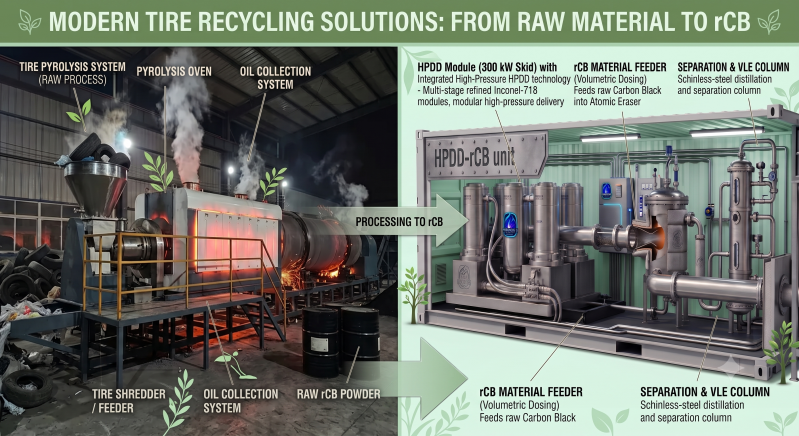
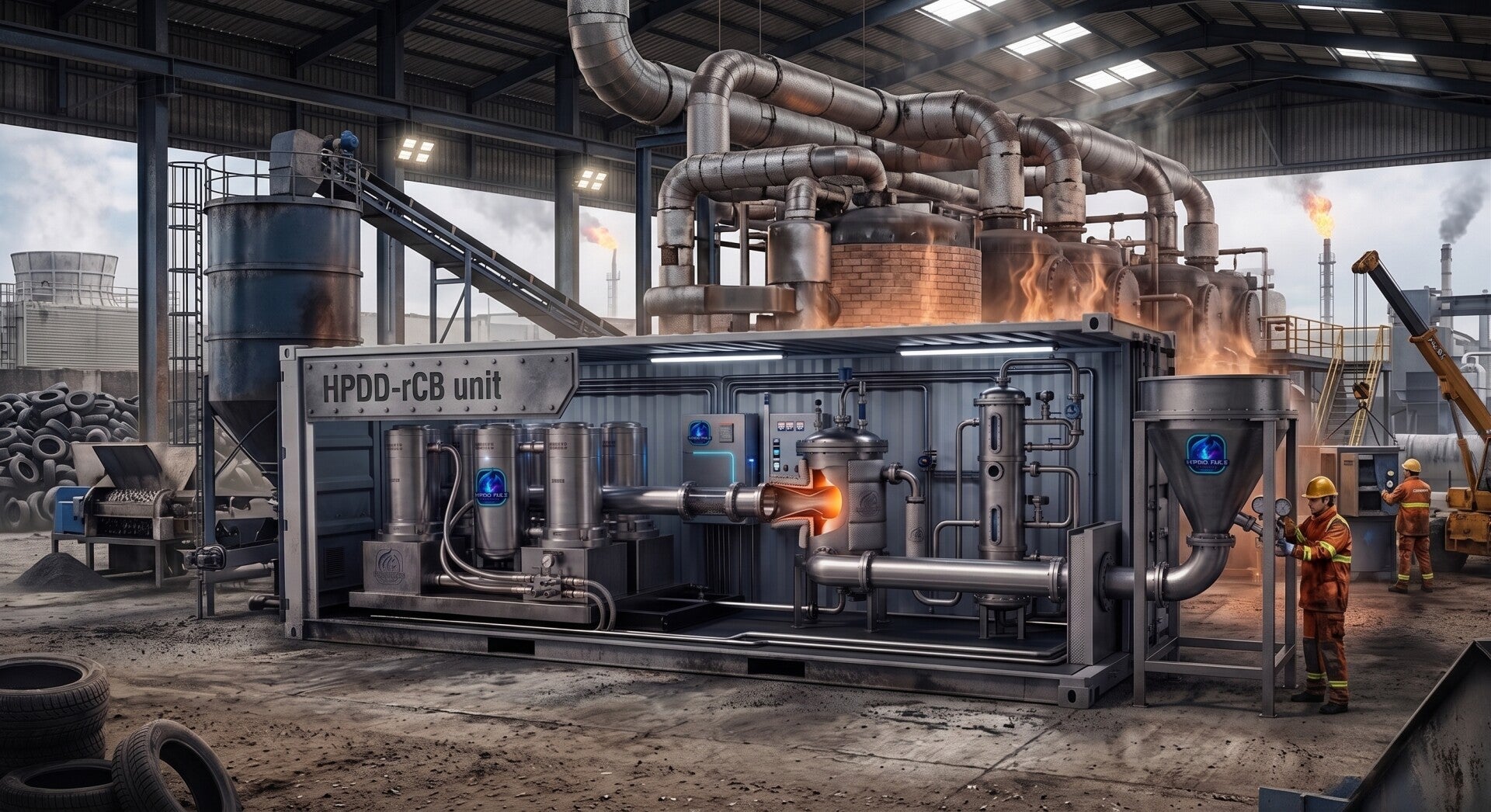
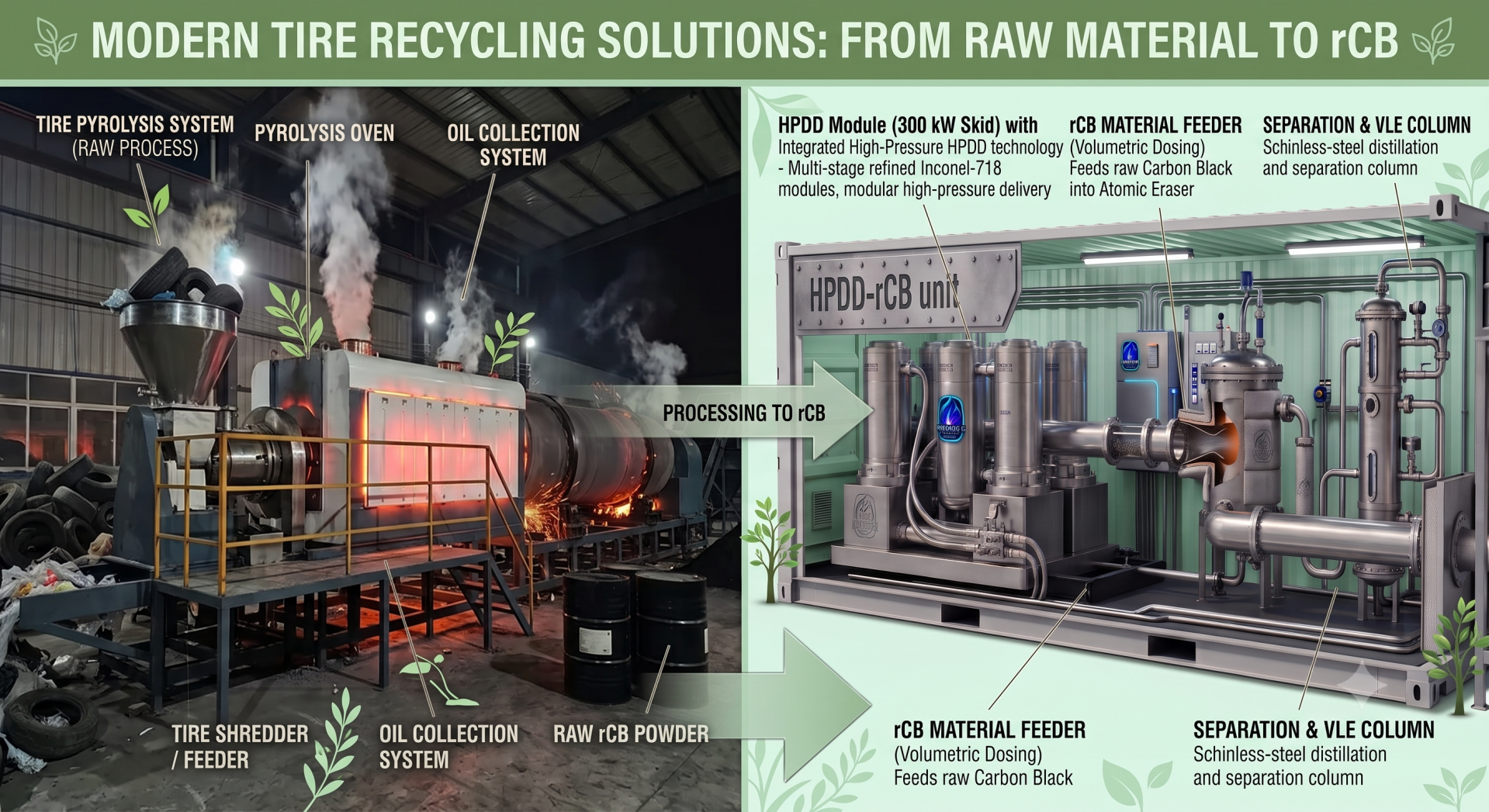
The Process Flow Diagram illustrates the continuous, zero-emission integration of the Hydro Puls Direct-Drive (HPDD) platform with end-of-life tire pyrolysis for the high-yield upcycling of raw Recovered Carbon Black (rCB) into premium technical-grade carbon.
1. Primary Utility & Kinetic Energy Generation (HPDD Module)
- Feedstock Input: The system consumes 3,024 kg/day of ammonia from storage.
- Operating Conditions: Running at 600 bar and 374 to 800 degrees Celsius, the HPDD core cracks and reacts the ammonia without parasitic rotary losses.
-
Direct Fluidic Outputs:
- Produces 11,166.7 kg/day of high-pressure, superheated inert nitrogen gas.
- Co-produces 3,024 kg/day of clean industrial water.
2. Mechanochemical Deconstruction (Acoustic Cavitation Reactor / Atomic Eraser)
- Feedstock Handling: Raw rCB is fed from the pyrolysis stage through a storage silo and volumetric metering hopper directly into the reactor.
- Reaction Kinetics: The 11,166.7 kg/day supersonic nitrogen flow from the HPDD module is injected into the reactor at 200 to 600 bar and 374 to 800 degrees Celsius.
- Matrix Cleaving: Acoustic cavitation deagglomerates the stubborn carbon structure, stripping away residual hydrocarbons and freeing encapsulated inorganic ash without using mechanical grinding mills.
3. Phase Disengagement & Fractionation (Distillation & Separation Column) Operating at 1 bar across a broad temperature range of minus 73 to plus 374 degrees Celsius, the downstream separation column isolates five distinct product streams:
- Premium rCB (8,271.7 kg/day | 74.08%): Sub-micron particles smaller than 1 micrometer with less than 1% ash and less than 0.5% sulfur, ready for high-grade rubber compounding or battery graphite conversion.
- Ash Solids (2,301.3 kg/day | 20.61%): Decoupled mineral and silica ash separated dry for secondary industrial use.
- Oil (534.5 kg/day | 4.79%): Condensed technical oil recovered for chemical recycling or fuel.
- Water Vapor (59.2 kg/day): Residual moisture removed during thermal separation.
- Recirculated Nitrogen (11,166.7 kg/day): Clean carrier gas recovered at the top of the column for closed-loop recirculation back into the system.
