Strategic Advantages of the HPDD Aero-Variant
If we can maintain a constant 600-bar combustion pressure regardless of altitude, while simultaneously eliminating the weight of the APU, potable water tanks, and thermal anti-icing systems through multi-stage heat harvesting, how does this shift the 'Mass Spiral' in aircraft design compared to current SAF-turbofans or hydrogen-fuel-cell architectures?
BLI & Airframe Integration: Compact HPDD modules enable Boundary Layer Ingestion and Distributed Propulsion, reducing drag by 15% and eliminating heavy wing-mounted turbines.
System Elimination (APU & Water): The HPDD replaces the APU and generates its own potable water via exhaust condensation. This eliminates hundreds of kilos in tanks and separate power units.
Waste Heat Recycling: Instead of atmospheric rejection, waste heat is used for anti-icing and cabin climate control, removing heavy secondary heating systems.
Silent Ground Mobility: Driven wheels allow Silent Taxiing and active maneuvering without primary fans, reducing fuel use and noise.
Altitude Superiority: The 600-bar induction maintains power at high altitudes. The aircraft can cruise 2 km higher than conventional turboprops, accessing faster jet streams.
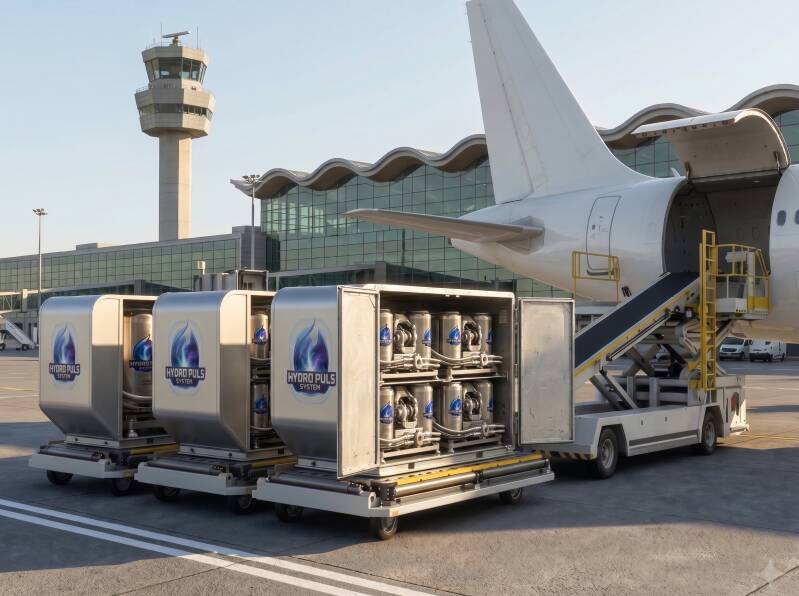
Redundancy & Maintenance: Modular clusters offer 99.999% reliability. An 81 kg core can be swapped in minutes, ensuring near-zero downtime.
Control & Efficiency: Asynchronous thrust modulation allows for smaller ailerons. These weight savings create a "mass spiral" effect, drastically reducing the total fuel load required.