Technical



The Efficiency Myth vs. The HPDD Reality
While the industry focuses on isolated efficiency numbers, the HPDD Transducer dominates when looking at the complete operational cycle.
1. The Battery Illusion
On paper, a battery pack claims 90% efficiency. In reality, for heavy-duty transport and long-term storage, this drops toward 40% due to:
- Charging Losses: Energy dissipated as heat during the transfer from the grid to the cells.
- Parasitic Drain: Energy lost during idle periods and through self-discharge.
- The "Weight Penalty": A significant portion of the energy is wasted simply moving the tons of extra weight required for the batteries themselves.
- Grid Transmission Losses: Inefficiency in the high-voltage network and transformer conversion.
- Thermal Management: Massive energy consumption required to cool the pack during high-demand cycles.
2. The Hydrogen Fuel Cell (FCEV) Limitation
While fuel cells offer decent efficiency, their operational constraints make them unsuitable for heavy industry and aviation:
- Fragility: Extremely sensitive to air quality and impurities.
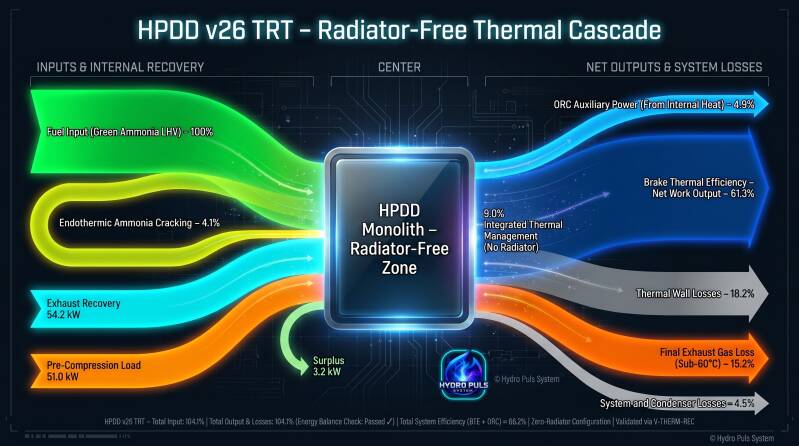
- Cooling Demands: Low-grade waste heat is difficult to reject, requiring massive radiators.
- Cost & Complexity: Dependence on rare-earth minerals and high-purity hydrogen makes them economically rigid.
3. The Traditional Diesel Engine
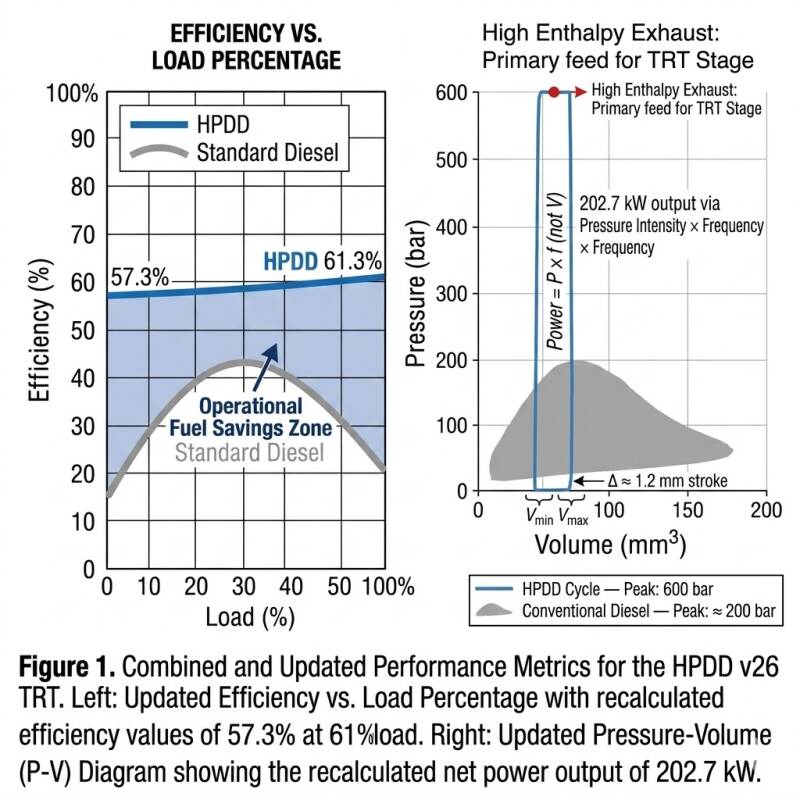
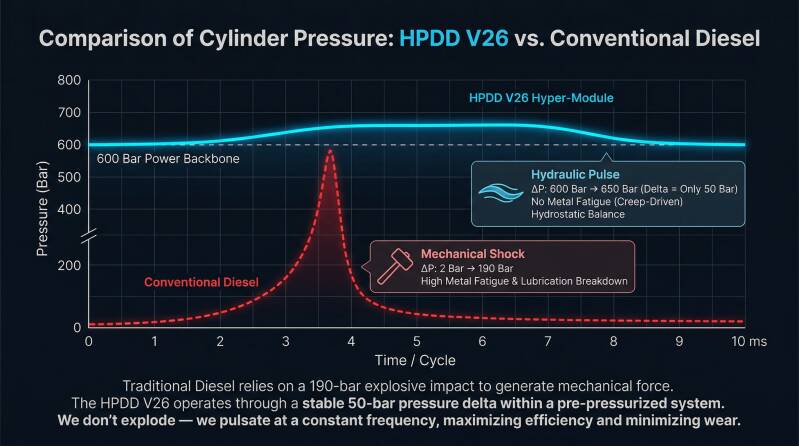
The status quo remains environmentally unacceptable and thermodynamically poor, with a meager 30-35% efficiency and high maintenance burdens.
The HPDD Advantage: Real-World Superiority
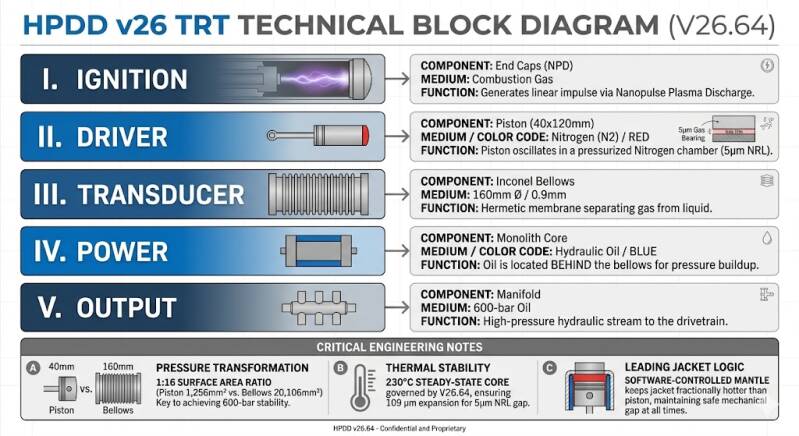
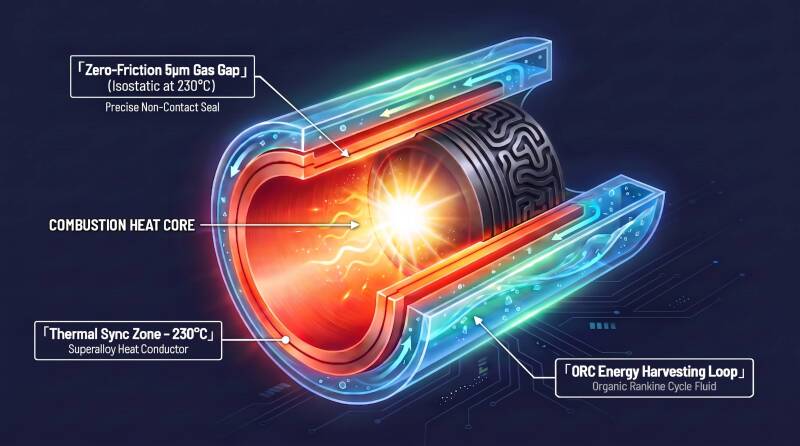
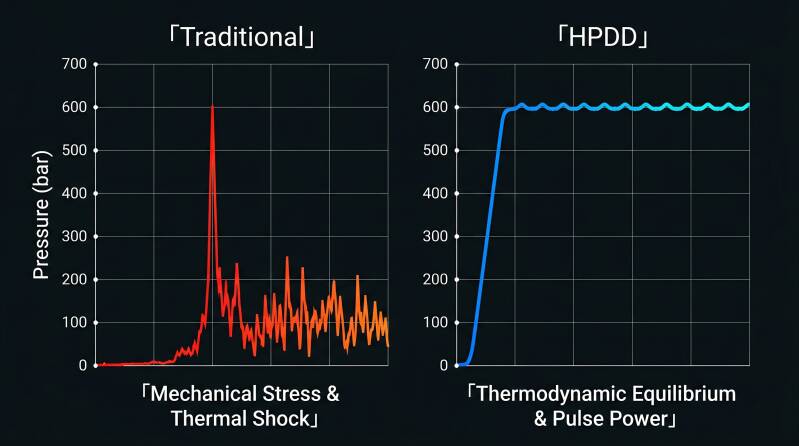
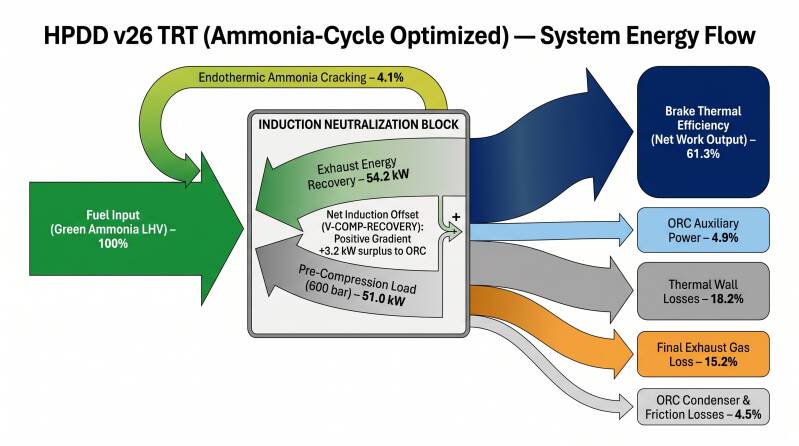
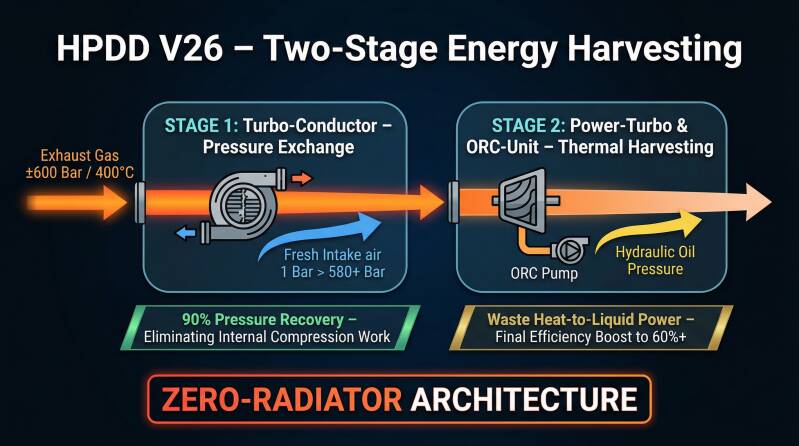
The HPDD Transducer eliminates these compromises. By combining the energy density of hydrogen/ammonia with a frictionless, direct-drive system, we deliver a 62% net efficiency that doesn't disappear when the machine starts moving.