-
GigaPulse Energy A.Ş. (GPC) Strategic Integration Partner | High-Performance Energy Control
Hydro Puls Systems and GigaPulse Energy, have entered a strategic alliance to bridge the gap between pulsed energy generation and grid-scale stability.
- GPC’s proprietary high-performance control layers are:
Energy Distribution: Temporal power multiplexing across multiple loads simultaneously
Electrochemical Management: Matching energy delivery to the actual response of each BESS unit
Demand Coordination: Reading real-time load requirements and signaling HPDD accordingly
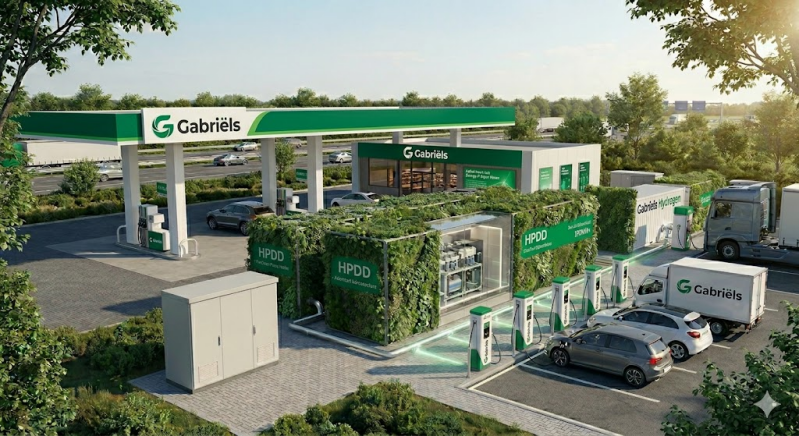
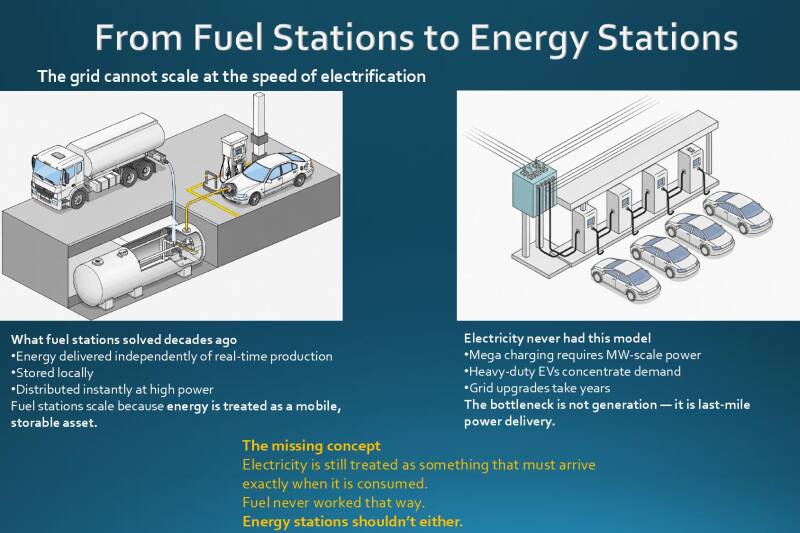
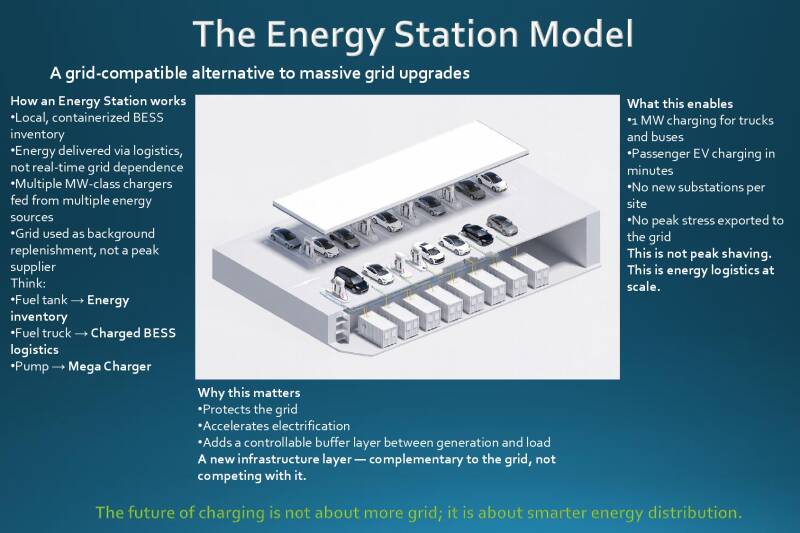
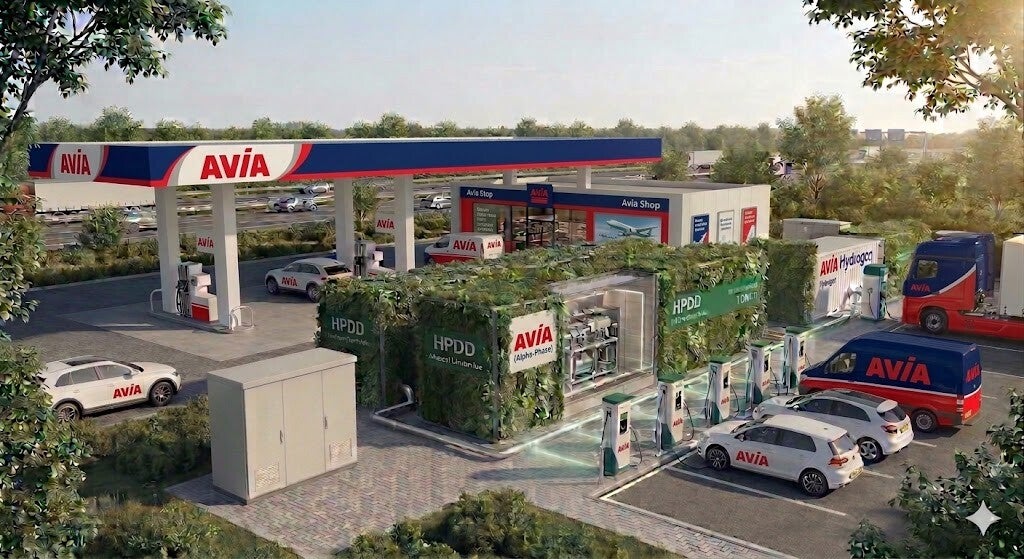
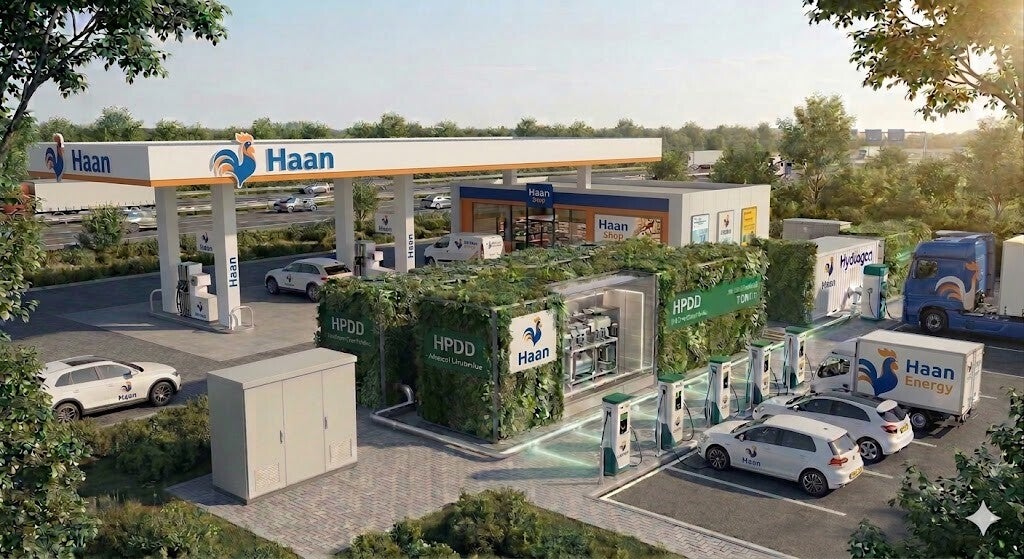
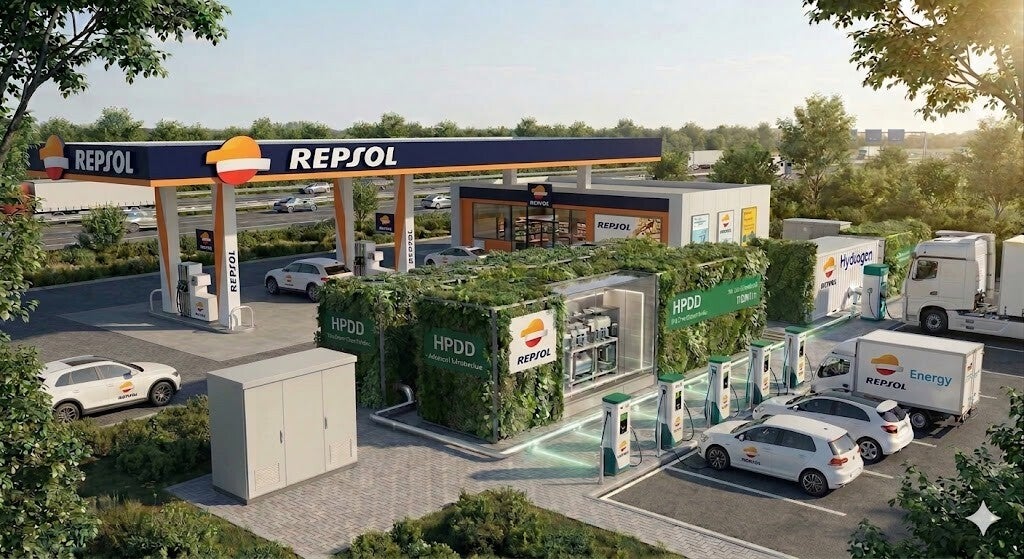
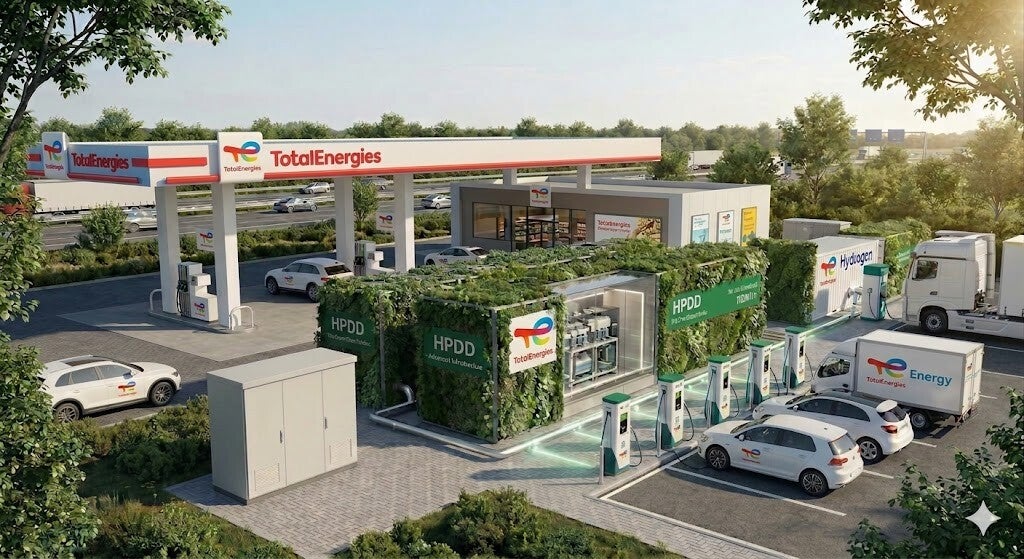
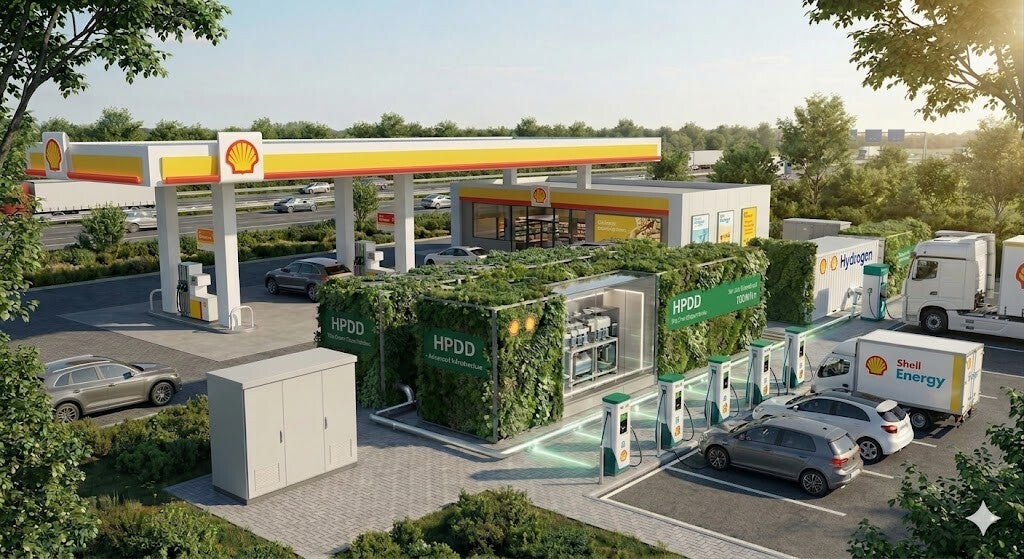
The HPDD Multi-Modal Energy Station
& GigaPulse Integrated Hubs
Strategic Analysis:
The Transition to Gigawatt Infrastructure on Land and Water
The HPDD Energy Station is a revolutionary modular powerhouse utilizing Hydro Puls Direct-Drive (HPDD) technology to facilitate large-scale energy requirements. By integrating the latest generation of HPDD energy containers and the orchestration of GigaPulse Energy software, this station offers unprecedented energy density, serving both terrestrial logistics and the global maritime sector.
1. Advanced HPDD Technology: Current Status & Roadmap
The core of the energy supply is based on a linear drive mechanism that combines mechanical simplicity with extreme thermal precision.
-
Current Performance: The system is currently operational at 100 Hz, with each individual unit delivering a constant power output of 205 kW.
-
Future Roadmap: The technological blueprint provides for a scale-up to 200 Hz, doubling the power output per unit to 410 kW.
-
Thermal & Mechanical Precision:
-
Material Science: The cylinder boring and pistons are constructed from Inconel, optimized for a standard operating temperature of 230°C.
-
Expansion Sync: At this temperature, both components expand by exactly 109 µm, maintaining mechanical integrity and a precise 25-micron gap.
-
Configuration: The architecture utilizes two pairs of pistons in opposition. To ensure maximum reliability and reduced seal fatigue, the siloxane medium is not under pressure.
-
2. GigaPulse Energy Software: The Autonomous Brain
Managing a 10-Gigawatt station requires an intelligence beyond traditional grid management. The GigaPulse Energy software acts as the central nervous system.
-
Pulse Synchronization: GigaPulse synchronizes the frequency of thousands of individual pistons to ensure a ripple-free, high-quality energy stream.
-
Dynamic Load Management: The software regulates internal pressures of +600 bar, distributing energy based on real-time demand from connected vessels or vehicles.
3. Water-Based Energy Stations: Spatial Optimization
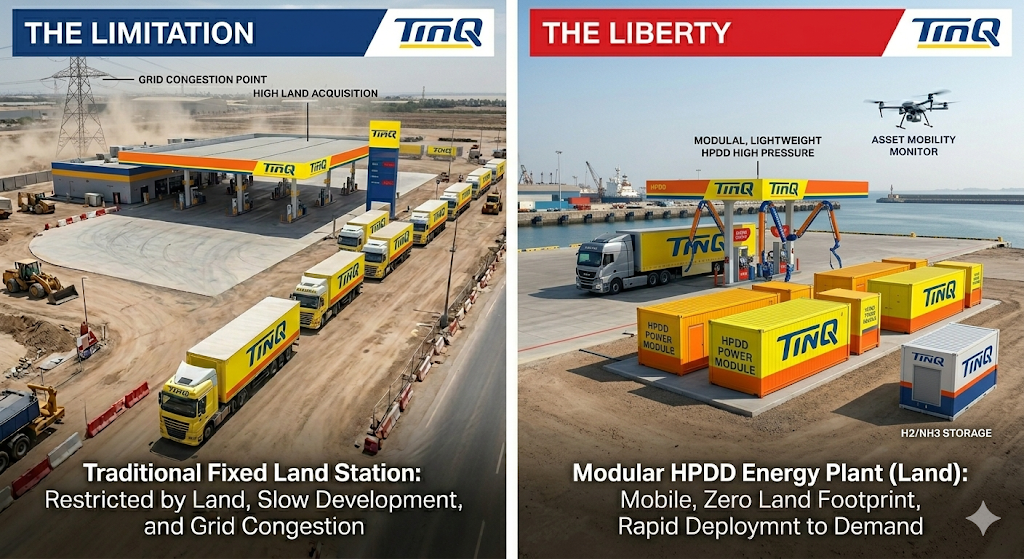
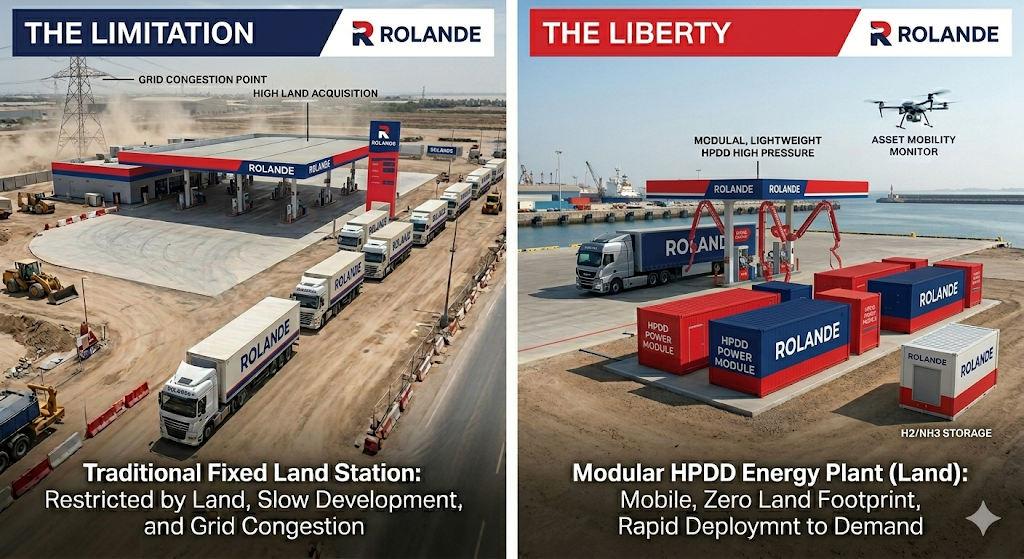
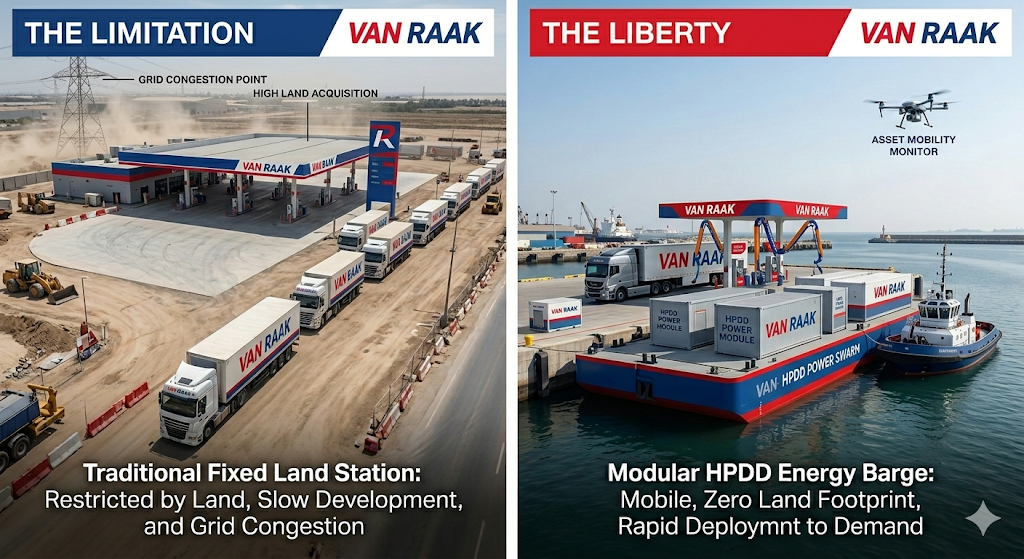
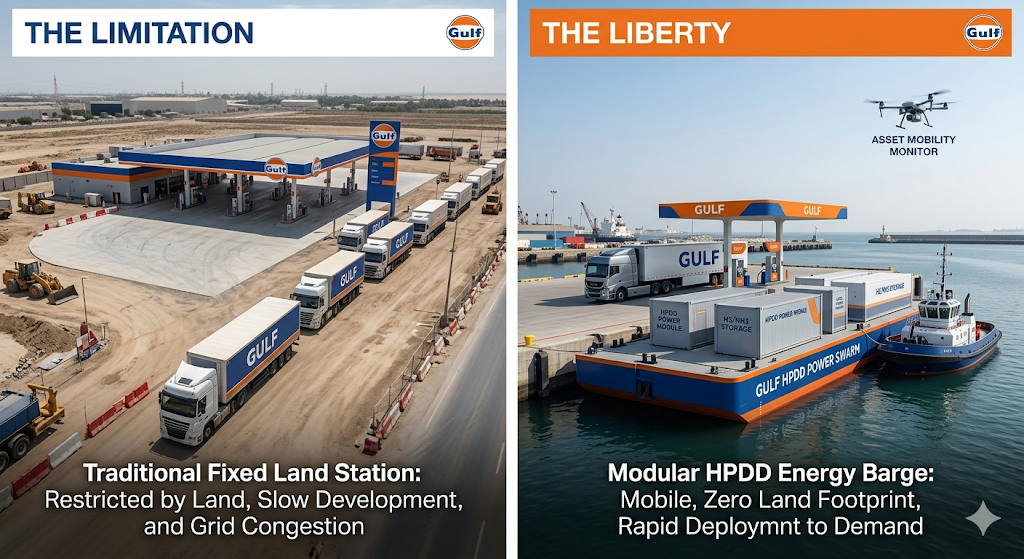
A revolutionary aspect of the HPDD Energy Station is the capability for offshore installation (on the water). This provides a strategic solution for spatial planning and logistical efficiency.
Offshore Energy Hubs
By positioning Energy Stations on floating platforms or within port perimeters, the growing demand for power is met without consuming valuable land-based real estate.
-
Maritime Decarbonization: These stations serve as primary charging hubs for electric ships, ferries, and other water-related transport.
-
Amphibious Logistics: Stations can be positioned at quaysides to serve both marine vessels and heavy-duty trucks (camions). Trucks can access specialized charging piers to utilize the station’s gigawatt capacity directly at the water’s edge.
-
Land Reclamation: Moving the energy infrastructure to the water frees up high-value land for urban development or commercial use.
4. Capacity and Scalability: The 10-Gigawatt Standard
The standard configuration of an HPDD Energy Station is dimensioned for a total output of 10 Gigawatts.
-
Heavy-Duty Logistics: In its standard setup, the station can support 10 trucks simultaneously, charging at 1 Gigawatt per vehicle. This reduces charging time to mere minutes, matching the convenience of traditional refueling.
-
Modular Growth: Due to the current output of 205 kW and the roadmap to 410 kW per unit, stations are highly scalable. They can be expanded to support massive fleets or heavy industrial consumers with ease.
Technical Core Data (Summary)
Parameter Specification
Total Station Power10 Gigawatts (Standard)
Current Unit Output205 kW @ 100 Hz
Roadmap Unit Output410 kW @ 200 HzPrecision Gap25 microns
Operating Temperature230°C (Inconel Thermal Match)
Internal Pressure+600 bar
Design Layout2 pairs of pistons in opposition
ApplicationMulti-modal (Land & Water-based)
This HPDD infrastructure represents the missing link in the energy transition, providing the density and speed required for a zero-emission future in both road and water transport.