HPDD v26 TRT
Dynamic Mission Scaling (DMS)
10. Introduction to Dynamic Mission Scaling
The HPDD v26-TRT architecture fundamentally disrupts the traditional model of fixed propulsion capacity. Through Dynamic Mission Scaling (DMS), aircraft power becomes a flexible variable rather than a static constraint. Unlike traditional aircraft, where maximum power is fixed by the two installed turbines, the modular nature of the HPDD allows airlines to adapt the power capacity to specific mission profiles.
11. Standardized Modular Integration (LD3/AKE)
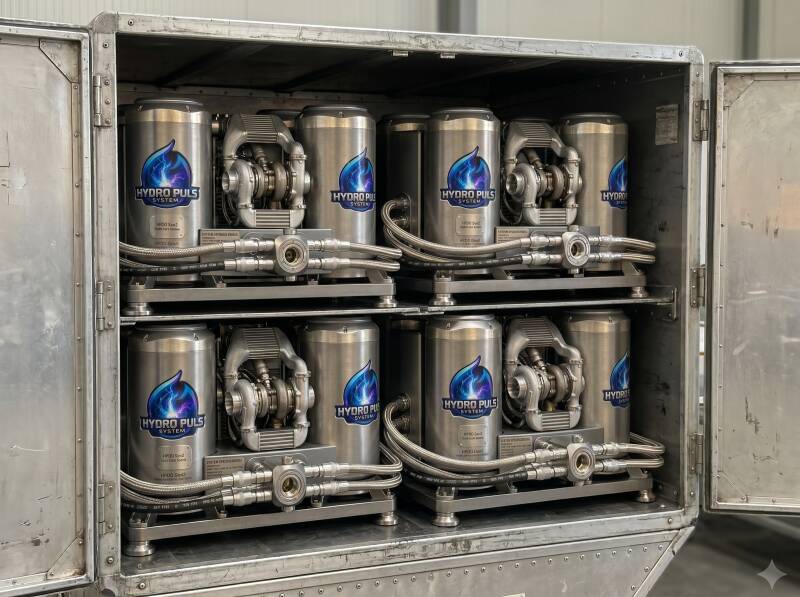
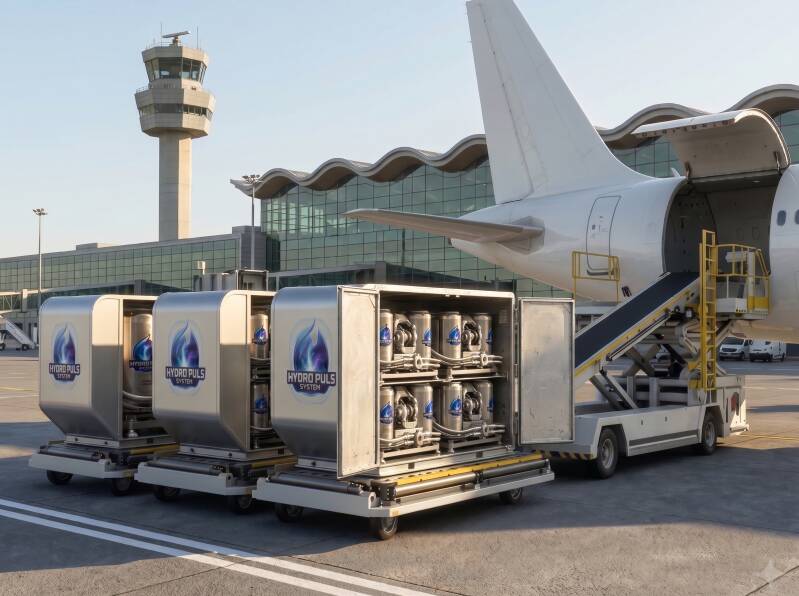
By housing the HPDD modules in standardized LD3 (AKE) containers, the powertrain becomes part of the existing aviation logistics chain. Each LD3 unit acts as an autonomous "Power Swarm" with significant power density.
Operational Frequency
Power Output per LD3 Container
100 Hz (Current) 1,640 kW (1.64 MW)
200 Hz (Roadmap) 3,280 kW (3.28 MW)
- Modular Payload Optimization: For short regional flights, an aircraft can be equipped with a minimum number of containers to save weight. For transcontinental flights, the full capacity of the cargo hold is utilized for maximum redundancy and range.
- Zero-Downtime Maintenance: The "Plug-and-Play" nature of the LD3 containers means a complete propulsion unit can be swapped in less than 15 minutes. This eliminates the need for lengthy Aircraft on Ground (AOG) situations due to engine maintenance.
12. Economic and Financial Synergy
This scalability enables a Pay-per-Hour commercial model. Since the modules have a lifespan of 20,000 hours and are easily interchangeable, the financial risk of engine ownership shifts to a usage-based model.
- Risk Transfer: Airlines no longer need to invest billions in engine parts or spare turbines. The risk shifts to the supplier.
- CAPEX to OPEX: The massive upfront capital expenditure of traditional turbines is replaced by a predictable operational cost.
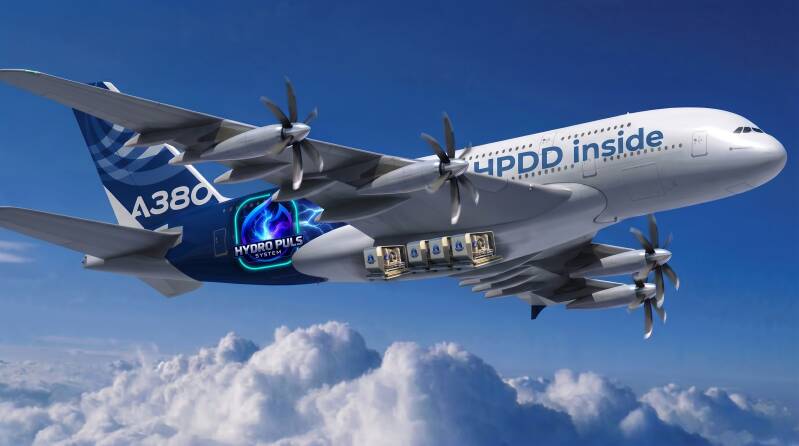
- Weight Savings: In a retrofit scenario (e.g., A380), removing turbines and pylons saves up to 40 tons of dead weight. This, combined with the low cost of Green Ammonia, allows airlines to potentially halve ticket prices while maintaining healthy margins.
13. Inventory & AOG Elimination
Standardization of modules across different aircraft types (from regional jets to wide-body cargo) eliminates the need for specific spare parts inventories. An AOG situation due to engine problems becomes statistically almost impossible thanks to the 99.999% system redundancy.