The Primary Energy Vector for Offshore Maritime Hubs: HPDD & Floating Hydrogen Ports
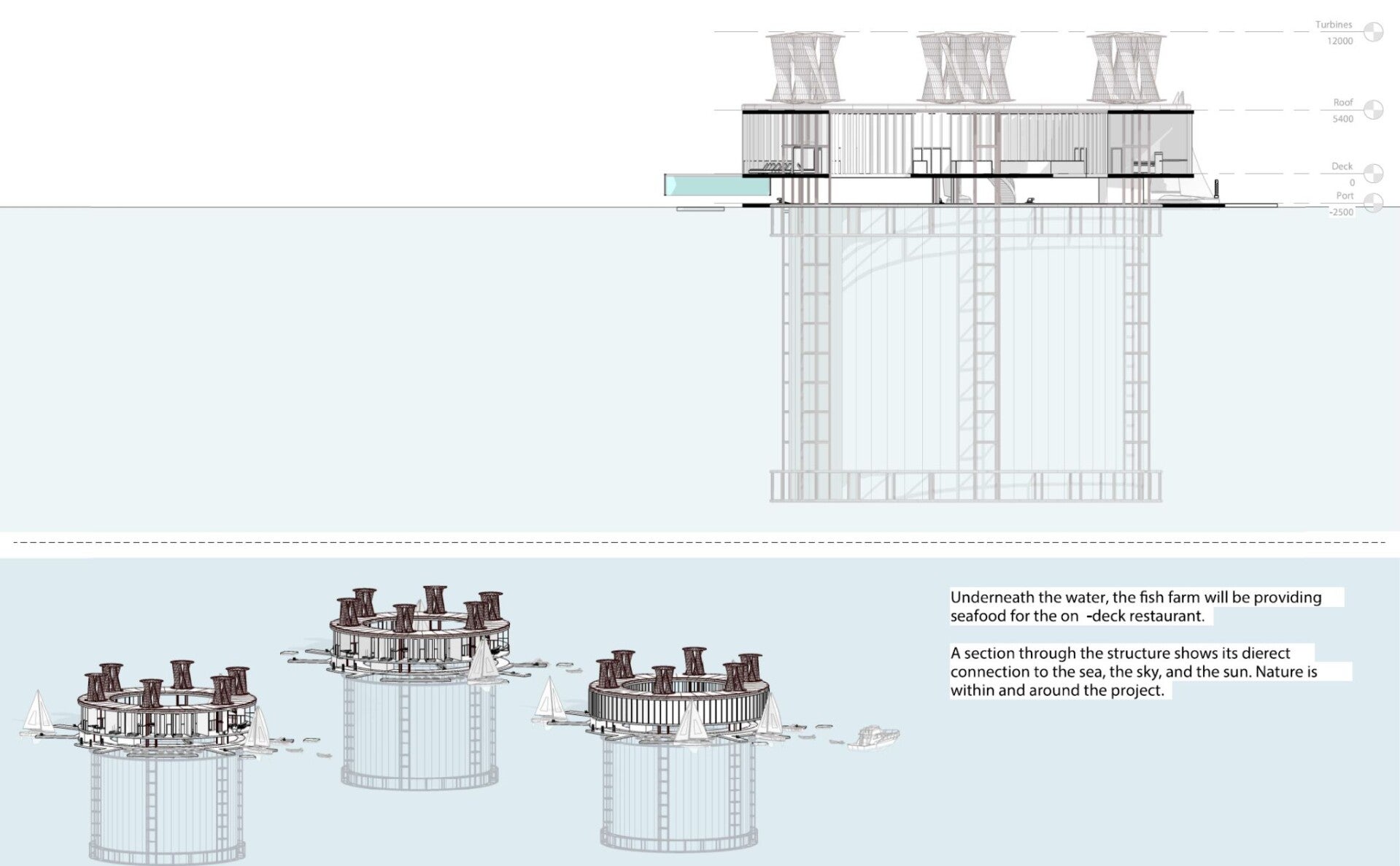
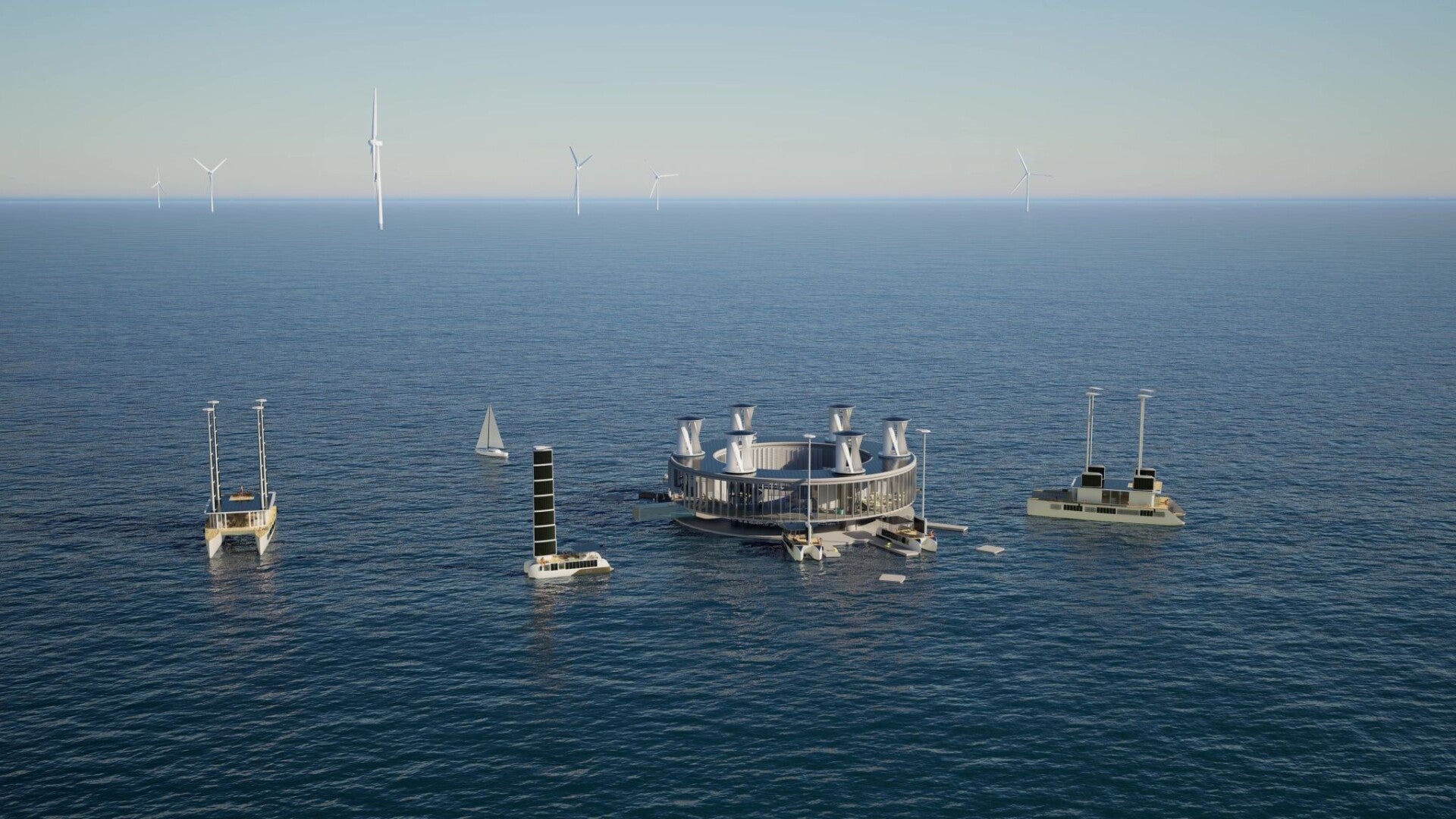
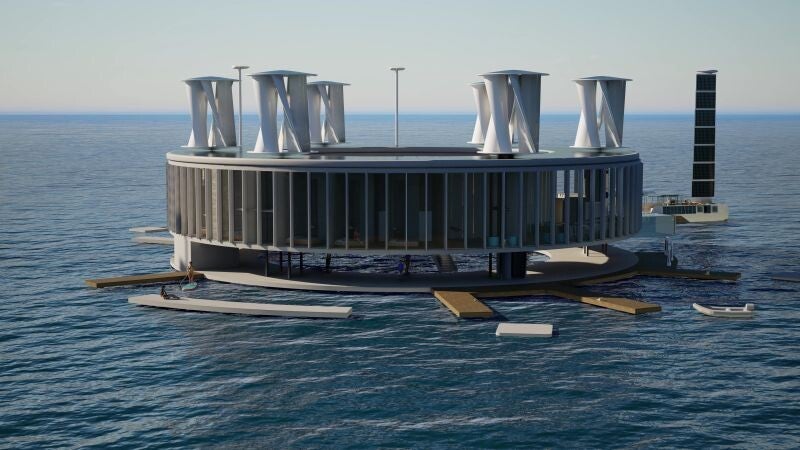
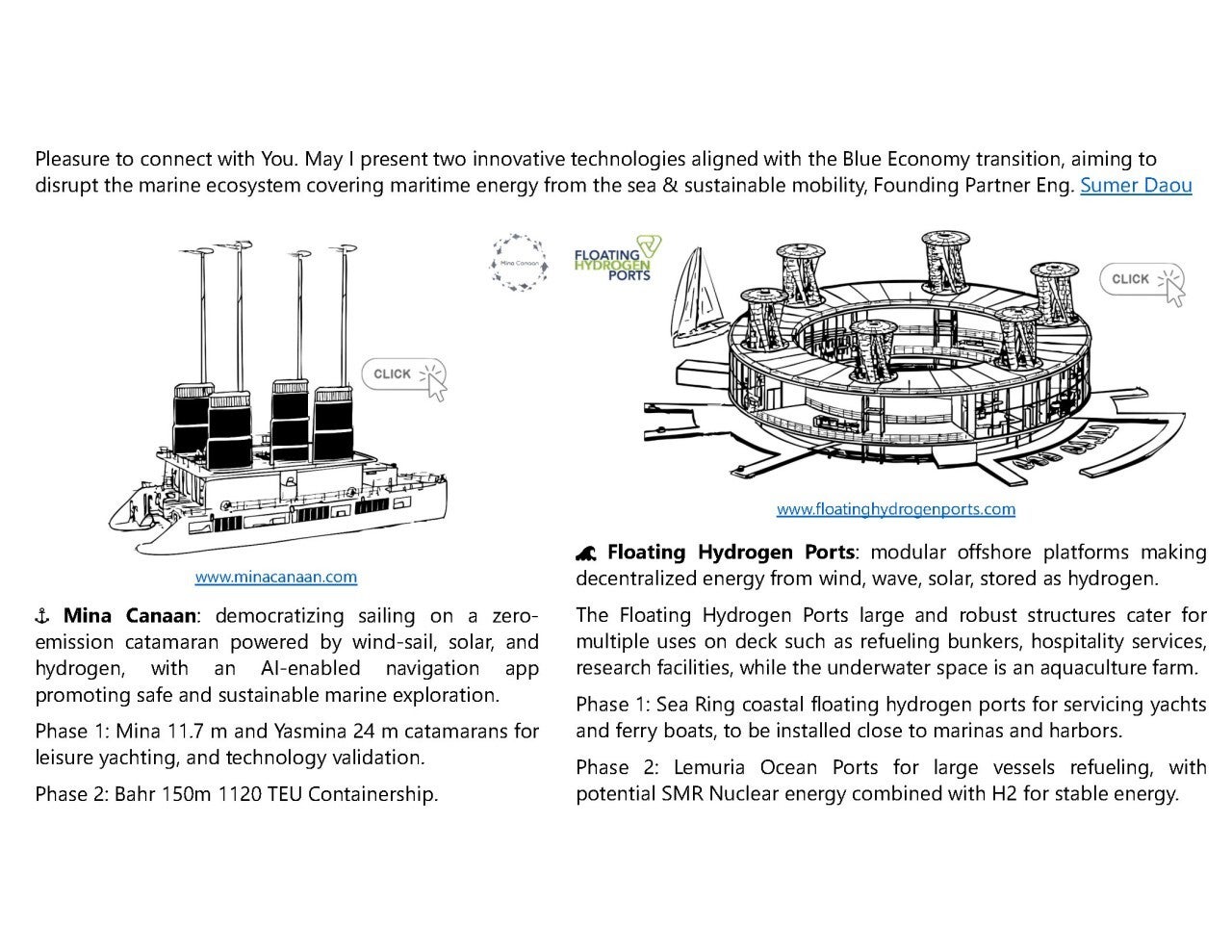
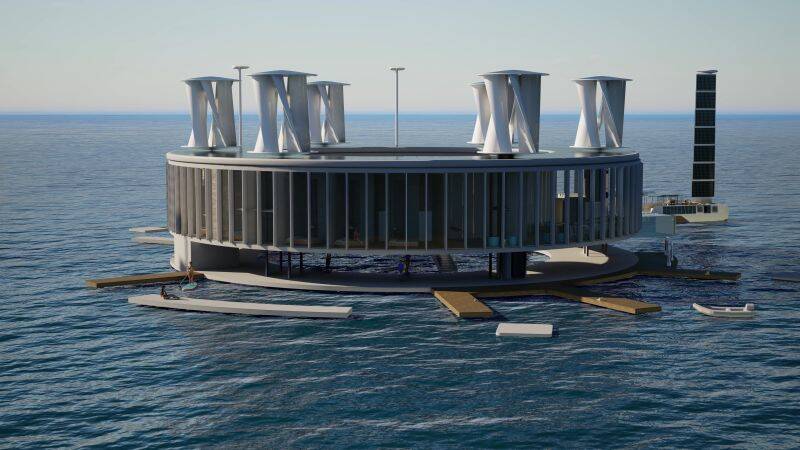
The future of global trade and bunkering lies in deep water. As the maritime sector transitions away from fossil fuels, the visionary floating ring harbors developed by Sumer represent a paradigm shift in offshore logistics. However, operating a high-capacity, industrialized harbor on open sea presents a critical challenge: creating a resilient, self-sustained energy infrastructure completely isolated from the terrestrial electrical grid.
The Hydro Puls Direct-Drive (HPDD) platform is engineered to serve as the definitive primary energy solution for Sumer’s floating infrastructure, unlocking full operational autonomy through the thermodynamic power of green ammonia (NH_3).
Why HPDD is the Primary Utility Core for Sumer
Traditional offshore hubs rely on heavy, maintenance-intensive generator sets or complex electrical conversions that suffer massive efficiency losses. The crankshaft-less HPDD architecture eliminates these legacy constraints by converting the chemical expansion of green ammonia directly into high-density hydraulic and thermal energy within a unified, hermetically sealed loop.
By establishing the HPDD platform as the primary energy vector, a Sumer floating harbor simultaneously secures its two most critical operational inputs from a single fuel source:
1. High-Pressure Kinetic Infrastructure (+600 bar)
Heavy maritime operations demand immense physical force. The HPDD platform generates a continuous fluid baseline of +600 bar. This raw kinetic power is routed directly to drive heavy port cranes, cargo-handling systems, and high-pressure fluid loops without placing a single watt of burden on a local electrical microgrid. Furthermore, the specialized internal fluid channels utilize precise spiral angles to inject high-frequency kinetic micro-pulsations into the stream, naturally mitigating boundary layer polarization and bio-fouling in downstream systems.
2. High-Grade Thermal Utilities (230°C Process Steam)
Concurrently, the HPDD’s unpressurized siloxane thermal management system captures and discharges high-grade 230°C process steam. For an offshore harbor, this constant thermal baseline is a multi-utility game changer:
- On-Demand Hydrogen Cracking: It provides the exact high-temperature profile required to split stored green ammonia back into pure hydrogen, allowing the Sumer hub to act as a flexible, multi-fuel bunkering station for next-generation vessels.
- Marine Maintenance: The 230°C steam is instantly available for thermal shock cleaning of underwater structures and localized brine management.
Engineered for the Harsh Marine Environment
Offshore infrastructure demands absolute mechanical resilience. The HPDD core utilizes an opposed-piston configuration (2 pairs) constructed from matching Inconel components. At the 230°C operational standard, both the cylinder boring and the piston expand symmetrically by exactly 109 µm, preserving a critical 25-micron gap without relying on complex, pressurized external cooling systems. With no crankshaft, no rotary gearboxes, and virtually zero mechanical wear points, the HPDD delivers unmatched operational longevity in high-salinity environments.
Standardized Intelligence: Powered by GPE Software
A Sumer floating harbor is a dynamic ecosystem with fluctuating energy demands from docked vessels, onboard utilities, and local battery storage (BESS). To manage this complexity, every HPDD configuration is standardly orchestrated by advanced Green Power Generation (GPE) software.
The GPE control framework acts as an intelligent operational firewall. It monitors system boundaries, optimizes fuel efficiency, and dynamically balances internal thermal and kinetic routing in real time. As a harbor grows, the GPE-governed HPDD platform scales seamlessly within multi-module array configurations up to a high-frequency envelope of 200 Hz / 410 kW per module, ensuring the infrastructure remains future-ready.
By combining Sumer’s revolutionary floating ring architecture with the HPDD utility core, we are building more than just a port—we are deploying the world’s most resilient, zero-emission, off-grid maritime energy hub.
HPDD delivers the power. GPE delivers the control.